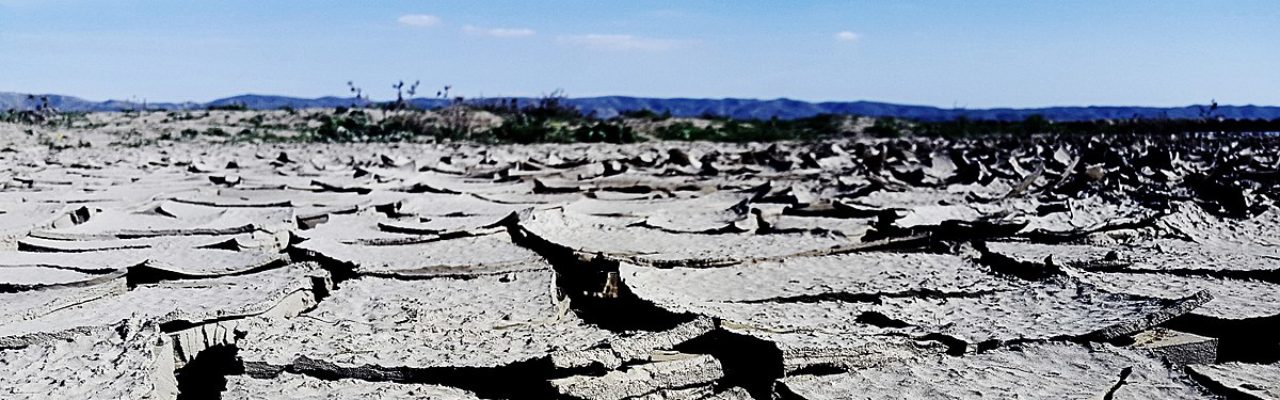
Getting ready for the collapse, the apocalypse, or end of the world as we know it? Stocking up on precious metals – gold, silver, platinum? Bitcoin and other cryptocurrencies? Stocks and bonds? Real estate? Think again.
Money makes the world go round. True, but whenever civilization teeters on the brink of collapse, money is one of the first things that losses its value. It has happened many times before. There doesn’t even have to be a total collapse of government. Even periods of instability can bring massive hyperinflation that will make currency practically valueless. This has happened in Zimbabwe 2008, Germany in the 1920’s, and China in the 1940’s. The annal of history are littered with instances where a government-backed currency has simply lost all value, or prices go so high that a sack full of money can only buy you a loaf of bread.
However, there item which will always maintain its value, even long after the last bank has shut its doors. These are post-collapse currencies.
With a whiteboard, pizza and a couple of cups of coffee, our team has compiled a list of the top ten items you can stock up on that can function as post-apocalyptic or post-collapse currencies. (Jump to our selection process.) These are item that are readily available today, but post-collapse will be great for bringing around, bartering, bribing and buying.
1. Ammunition
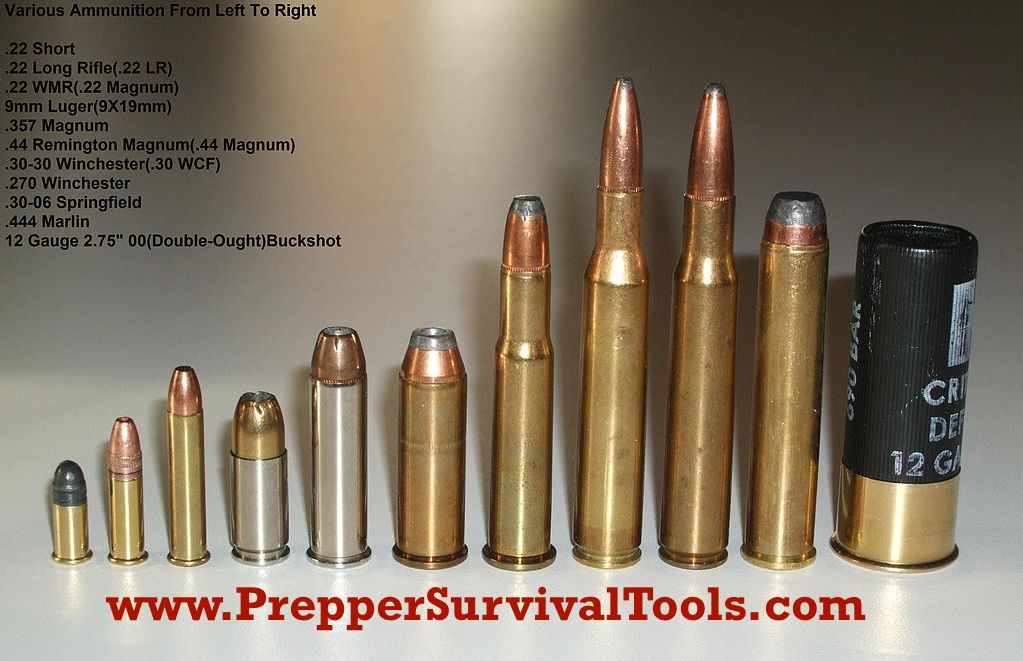
Pros: Ammunition is one of your best bets when it comes to post-apocalyptic currency. Aside from it being useful, it can be a highly valuable.
Cons: It might not be wise to unwittingly arm trading partners. The 0.22 caliber round you sold to a desperate man, could easily end up in your skull a few months and an argument or two later. Only trade ammo with someone who you are absolutely sure will have you in their best interests, no matter how dire his own situation will turn out years down the line.
What to consider when buying: It is a good idea to stock up on the same kind of ammunition your firearms at home use. The next most important is that you should consider what kind of ammunition will be most in demand, which can be guessed at by the most common firearms in your area.
PST Expert Tips: In the United States the top ones you may want to consider are the 22LR, 9mm rounds, 12 Gauge, and perhaps even the 5.56/223.
2. Hard Liquors
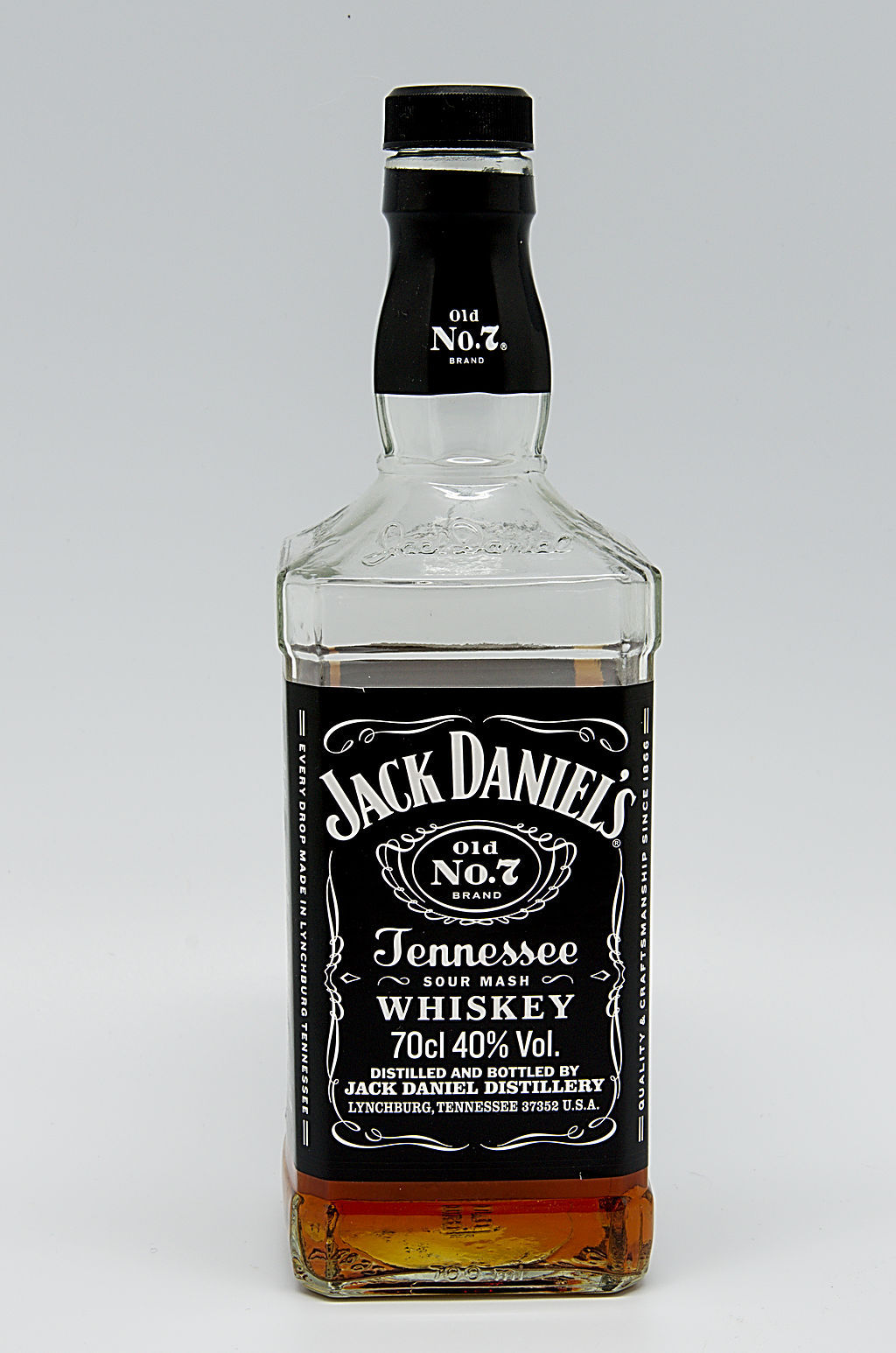
Pros: As long as your trading partner has reasonable food and water security, it is likely that a good bottle of liquor or a pack of cigarettes will be regarded as a highly-coveted luxury. Liquor lasts practically indefinitely.
Cons: Bottles of hard liquor are also not something that’s fun carrying around in a backpack all day. Bottles of liquor are not a bum-out bag necessity. Rather, they are ideal item to stock up on for those who have a place to stash away goods.
In post-collapse situations where food and water has not yet been established, the last thing people will thinking about getting their hands on a good bottle of Jack Daniels. However, in a scenario a few years after the bombs have fallen and society is starting to emerge from the ruble, or in a scenario where massive hyperinflation from a crumbling government has made money useless, a good bottle of liquor can give you a windfall.
What to consider when buying: There’s no need to splurge but get recognizable brands which will have a long lasting value no matter how many years pass. You may also want to consider your personal preferences if you do drink. One way to go about buying liquor is to get something you like, just in case you or your camp need that much needed morale boost. You can’t go wrong with classics like Jim Bean, Jack Daniel’s Whiskey, Absolute Vodka or whatever is popular in your country. Another approach is to buy a few each of the well-know brands. This way, you’ll have demand more value from the ones that turn out harder to find. People also generally like variety, and alcohol is no exception.
PST Expert Tips: The idea of stocking up on liquor for survival situations is something my father introduced to me. Liquor as a post-apocalyptic item for barter is a gambit. If the situation in your area is fairly stable and there is some semblance of food and water security, a good bottle of vodka could probably be traded for a good sack of potatoes or a stash of canned goods. A good bottle of hard liquor will only increase in value as time goes by. But perhaps my favorite reason for stocking up a few good bottles of hard liquor and maybe even reams of cigarettes ae that these items are good for bribing or influencing people such as local militia, military or law enforcement personnel at a check point in a near collapse or post-apocalyptic world.
3. Nylon Fishing Line

Pros: Nylon line will always be in demand for its utility. It can be used to set traps, repair clothing, tents and machines. It is extremely lightweight and durable. Also, in a post-collapse world, it will be extremely hard to find, despite being ridiculously cheap in todays world.
Cons: It’s hard to barter a lot away, unless you live in an area where you can use it for fishing.
What to consider when buying: There are a few factors when it comes to purchasing fishing, such as diameter or thickness, length, color and abrasion resistance or ability to withstand wear and tear. For diameter and thickness, there is nylon line that is thin enough to be used to repair clothing, or, in a pinch, suture a wound and there is nylon line thick enough to repair small boats. With all the available choices it’s good to go for variety. But if there if you don’t want to buy too much 0.50mm diameter is a good place to start. This thickness will be good enough for trapping small animals. Many fishing lines are brightly colored so they can be easily seen in the water, but if you only have to buy one, get something transparent (or at least whitish) so you can use the nylon line for trapping animals. The good news is nylon fishing line is relatively cheap and extremely light, so feel free to buy several rolls.
PST Expert Tips: Nylon fishing line, especially the thicker ones are extremely light weight, strong and have a myriad of uses. Keep a couple of fish hooks handy if ever you do store fishing line, even if you are far from a fishing spot. You never know when they will come in handy, and they can be worth a lot to the right person or in the right place.
4. Canned Food
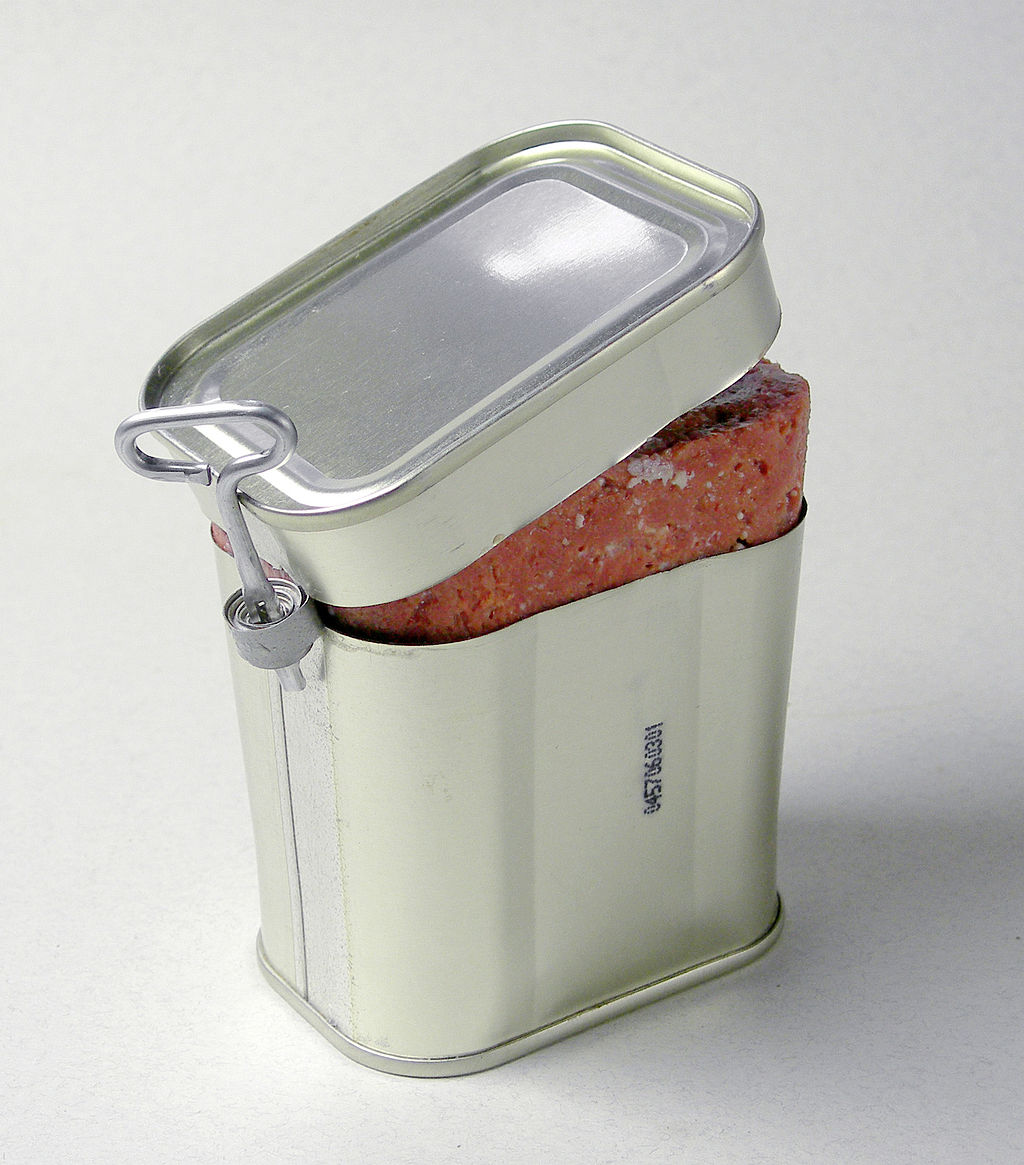
Pros: You can never go wrong with stocking up on canned goods. You can eat them, sell them, trade them or even bury them in the ground for later time. Canned goods’ value does not diminish overtime, and they will taste about just as good in ten years as the day you buy them
Cons: Like most food products, canned goods have government-mandated expiration stamp on them. They don’t last forever, but kept reasonably well, they can last a long time. However, a can past its expiration date might lose some of its perceived value to a prospective trader. Cans tend to be bulky, but hey, it is food you’re carry so bag bulky with food in some situations be a good problem can have.
What to consider when buying: When purchasing canned goods there are a couple of things you should look out for. First, inspect them that they are not close to expiry. Try get the cans that newly manufactured rather than those closer to expiry. It’s true that lots of people report that canned food can last for decades.
Another thing to look out for dents and damage on the can. If you are still in the gathering phase in a supermarket, go for undented cans. The dents in cans let in air and bacteria which can spoil the food and turn it deadly (such as the deadly botulism toxin).
Exercise personal preference when choosing the canned goods you plan to stock up on. Some variety is good However if weight is an issue, such as you expect that you have to move around, you might also consider buying high-nutritious and calorie-rich foods (such as a can of corned beef) over canned goods that are less nutritious and mostly brine or water in weight (such as a pickled cucumbers).
Lots of preppers are firm advocates of jarring their own produce. This is also highly effective, provided that safety and hygiene protocols are followed. Jars have the advantage of being resuable, but have the disadvantage of being breakable.
As long as they are kept in reasonably good conditions, in a pinch, canned food may last much longer than as advertised. But just to be safe, it’s good to follow FIFO (First In First Out) on your canned food inventory, meaning if you have to eat or trade away your cans, start with the oldest ones first.
PST Expert Tips: Never take your risks with a can that is badly dented. which get badly damage have the risk that bacteria have entered spoiling the contents. If during travel or while moving things around a can does get badly dented, be sure that can is consumed in within a reasonable amount of time. NEVER EVER eat from a can that is bloated, it’s almost a sure sign the contents are decomposing. Don’t even consider giving the contents of bloated cans to pets or livestock.
5. Salt
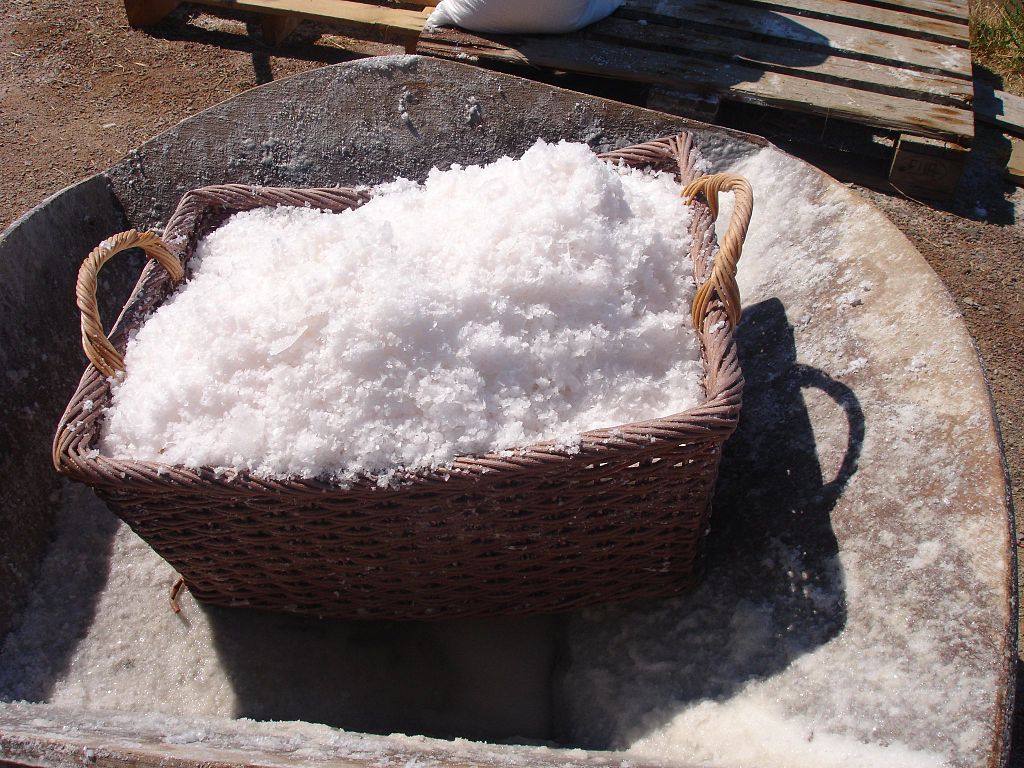
Pros: Salt is extremely valuable for long-term survival and is a commodity everyone needs. It is lightweight and last indefinitely. One of the most important uses of salt is for food preservation in post-refrigeration world. Salt makes almost just about every dish taste better. A group of people who did not have the foresight to stock up on some salt will surely be hankering for some.
Cons: In coastal areas, salt may be less valuable. Of course, just because you live near coastal area that doesn’t mean it will be valueless, but part of what makes a currency a currency is that it shouldn’t be easily produced, and is in limited quantities.
What to consider when buying: Salt was used in the Anicent Roman Times as currency as payment for the services of their professional soliders, hence the word salary (from the Latin word sal for salt). This is because there are lots of advantages to salt. It’s a good idea to also take note of the packaging you’ll buy your salt in. Consider packing the salt it in airtight ziplock bags of wrapped in larger bags. It’s important to keep your salt dry, as a quick swish of flood water can carry away all the salt you may have kept for years..
PST Expert Tips: When you are sweating a lot, adding a pinch or two of salt for every liter of water can help stave of dehydration. When you sweat your body loses sodium, that’s why your sweat is salty. Your body needs sodium to retain water in your body, and if you don’t have enough salt in your body, you’ll quickly pee the water in your body away. Of course, it makes sense not to drink salty water, so don’t go overboard when adding salt to water. Erring on the side of adding too little is better than trying to add just the right amount. It’s hard to take out salt from water once you put it in.
Try to have little packets such as small ziplock bags ready if you plan to trade it. Or you could also have the salt prepacked.
6. Sugar
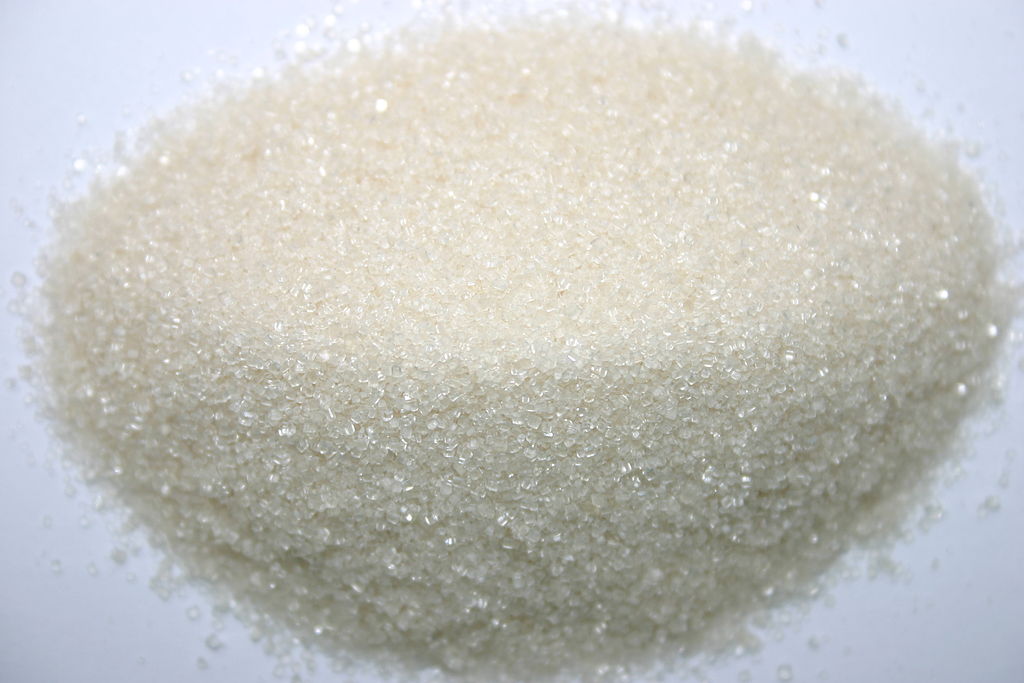
Pros: Sugar may be quite hard to find once global economy collapses. After all, sugar usually comes from sugar cane which is usually grown and processed overseas in tropical climates. Like salt, as long as it is stored well, sugar can last practically indefinitely. It is quite light weight. Sugar also can provide much needed calories, making it a perfect emergency food supplement. Sugar can also act as a food preservative. These qualities make sugar a great post-apocalyptic currency. Sweet!
Cons: Be sure sugar is kept away from rats, bugs, ants and other creepy crawlies that want to get at the sweet stuff. There may be a tendency that after buying it from the supermarket in a plastic bag just to put the whole thing in your storage area. Please keep it, like any other food item, if practical, in a hard container that a rat will have a hard time chewing through. Care has to be taken that sugar is also protected from moisture.
What to consider when buying: There are many forms of sugar. Brown sugar, white sugar, confectioners sugar, muscovado sugar. While there many be arguments for each type, it all boils down to personal choice. But having sugar that is dry (refined white sugar rather than brown raw sugar) will make it more light weight and longer lasting.
PST Expert Tips: Just like with salt, try to have little packets such as small ziplock bags ready if you plan to use your sugar as a form of post-apocalyptic currency. Or you could also have the sugar prepacked in small bags, which will allow for better distribution, and less exposure of the lot each time you have to dip into your supplies.
7. Candles
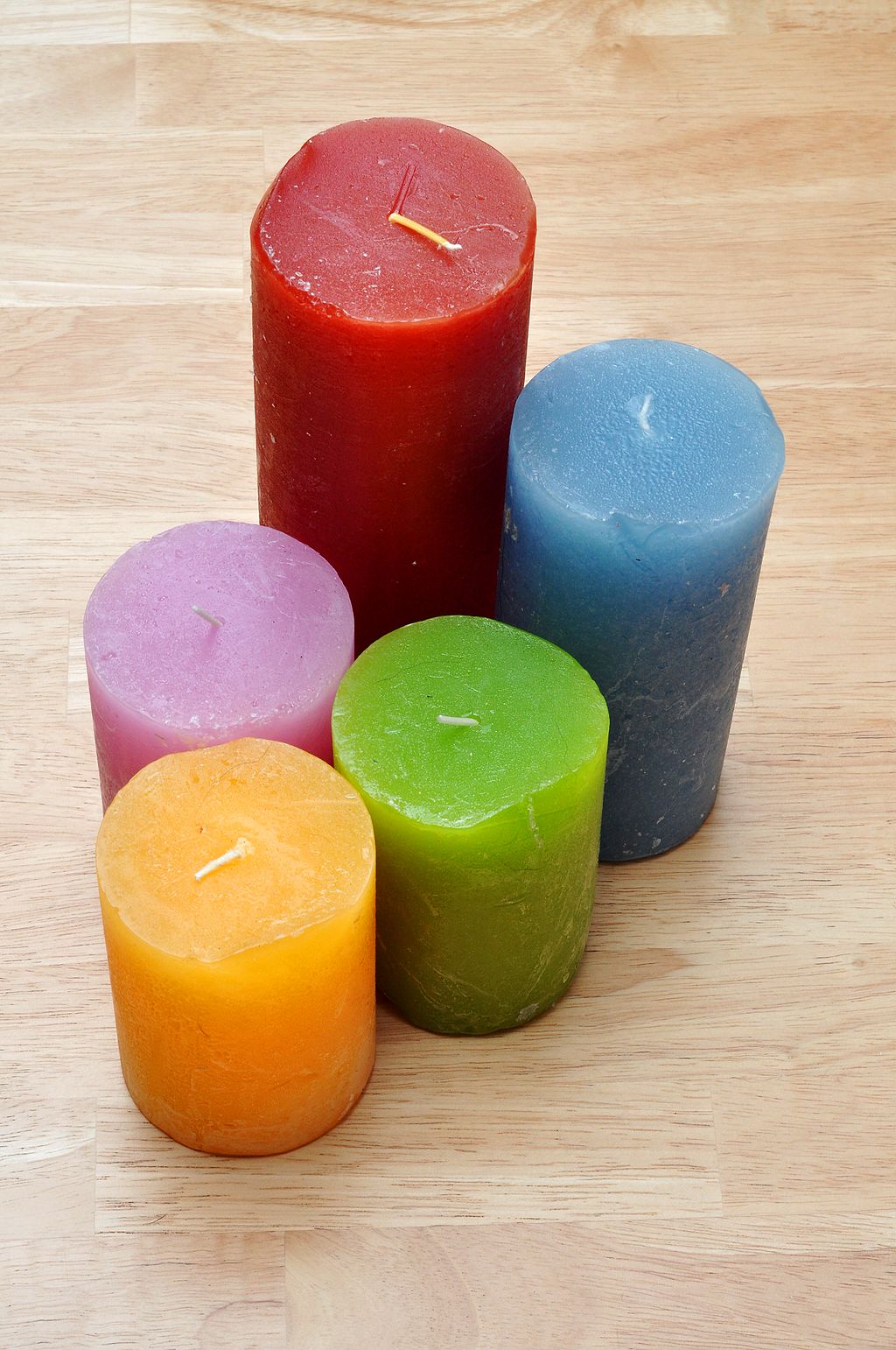
Pros: Candles are useful to everyone when there are power supply problems, or when there is simple to power. They are also extremely light weight and relatively inexpensive to buy in pre-collapse situation. Candles will also come in a handy in a natural disaster which will temporarily knock out the power grid, such as a flood or hurricane, rather than a true end-of-the-world scenario.
Cons: There will only become very valuable if there is no power in the post-apocalyptic scenario. While the power grid is regularly functioning power and people can still light their camps or houses with electric lights.
What to consider when buying: Go for thicker shorter candles rather than long slender ones. The longer slender ones just tend to quickly melt away.
PST Expert Tips: Even people who have generators hooked up to lights will want to use candles, since they can help save precious fuel and are much more quite than a humming generator. Remember that molten wax can always be reshaped into a new candle. Lastly, remember that scented candles can give of your position if you don’t want to get found.
8. Matches & Lighters

Pros: Matches and lighters are very useful. While starting a fire is a basic survival skill, not everyone will learn how to, have the right tools, or want to spend time starting one. This makes matches a good form of currency, because everyone will want one.
Cons: Some people adept at using flints or firestarters will not need matches. Most matches and their matchboxes however are very easily ruined by moisture. Warning: Storing lots of matches and lighters can be a fire hazard.
What to consider when buying: Because most matches are very prone to damage by moisture, try go for waterproof matches or try make them water proof themselves. In fact, if you expect you’ll be chucking them in a backpack and traveling around with them, it’s best to have them waterproofed and wrapped in at least two layers of resealable plastic bags. Also keep your lighters dry.
PST Expert Tips: If you have any nail polish lying around, you can make regular matches waterproof by coating them with nail polish. If your container is airtight enough, consider throwing in a packet of silica gel to keep your matches dry.
9. Honey
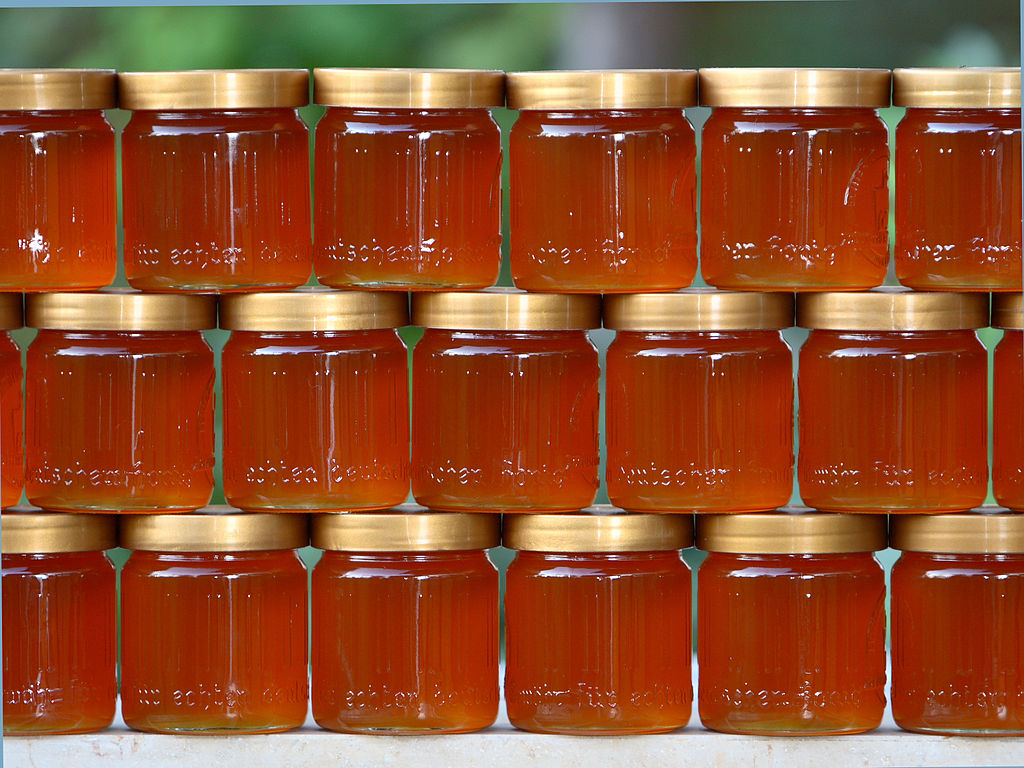
Pros: Honey will have an immense post-apocalyptic perceived value. Prehistoric man and cultures living in semi-wild states found honey a rare treat, and this will be true after a collapse of the global economy. Honey lasts practically forever. Honey found in Ancient Egyptian tombs remains edible.
Cons: Honey can be a bit cumbersome to carry around in jars or packets. Just like in the case of sugar, be sure you keep them away from rodents and creepy crawlies.
What to consider when buying: When you go to buy honey, you’ll come across a large variety of types and flavors. If you plan on moving around with it, definitely consider getting lightweight and unbreakable containers. I am also partial to buying several small containers over a few large ones.
PST Expert Tips: If the jars are bulky and they worry you, lose them. Honey can be stored just as well in a plastic container or even two layers ziplock bag. Honey will be a lot more valuable once honey bees go extinct in the near future which is not far fetched scenario.
10. Seeds (PST Editor’s Pick)

Pros: If civilization collapses, seeds are needed to help rebuild it. It also makes a good sell since seeds represent a possibility of an unlimited future food source. The desire to grow food crops for a steady food source can break any hard bargain.
Cons: The true value of goods seeds will not be realized unless it has been sometime after the collapse of the global economy. Seeds, while they can last very, very long, in the right conditions, they may not last forever. Most seeds will only last a couple of years. The value of seeds also will not be apparent to some who is desperate or just trying to get by. They are more for those who are in the survival came for the long run.
What to consider when buying: First of all, consider heirloom seeds over modern varieties. It goes without saying to stock up on the seeds of food plants rather than ornamental plants, unless you have good reason too. Try spending time researching and getting a variety of plants, rather than just a lot of a few types. The more diversity you have in your seed stocks the more chances you have of having at least some plants survive. If you have to inclination to, find time to research on good heirloom varieties which will be hardier and require less fertilizer and other inputs. Of course, take into consideration also your local climate and growing conditions. Lean towards plants that need less care, water and fertilizer.
PST Expert Tips: In a true survival situation where starvation is a real threat, most seeds are edible.
Our Selection Process
To us here at PST, there are five main factors which determine whether an item can be a good post-collapse or post-apocalyptic currency:
- Easily stored, does not require any special care for storage;
- Small and portable (not commodities whose value is tied with its bulk like grain or fuel);
- In a limited supply, not easily accessible or reproduced, at least in a post-collapse world;
- Has the same value whether you have one of them or a hundred of them;
- Non perishable, or at least lasts several years
Suggested Further Reading:
Contact Us
You think we missed out something in this article? You think something should be included in the top 10 but isn’t? It’s to late to take action, contact us!

Photocredits
By Clément Bucco-Lechat (Own work) [CC BY-SA 3.0], via Wikimedia Commons
By Raboe001 (selbst fotografiert DigiCam C2100UZ) [CC BY-SA 2.5], via Wikimedia Commons
By No machine-readable author provided. Rainer Zenz assumed (based on copyright claims). [GFDL, CC-BY-SA-3.0 or CC BY-SA 2.5-2.0-1.0], via Wikimedia Commons
By –Pinpin 20:24, 19 September 2006 (UTC) (Own work) [CC BY-SA 2.5, GFDL or CC-BY-SA-3.0], via Wikimedia Commons
By Fritzs (Own work) [GFDL or CC BY-SA 3.0], via Wikimedia Commons
By Marco Verch (Bunte Kerzen) [CC BY 2.0], via Wikimedia Commons
By Waugsberg (Own work) [GFDL, CC-BY-SA-3.0 or CC BY-SA 2.5-2.0-1.0], via Wikimedia Commons
By ParentingPatch (Own work) [CC BY-SA 3.0], via Wikimedia Commons


.jpg)

