THE HEIRLOOM SEED ENCYCLOPEDIA FOR PREPPERS & SURVIVALISTS
Part I – Why are Heirloom Seeds Important?
In this section, we will examine why are heirloom seeds important for the survivalist and prepper.We will explore why the collapse of civilization will make heirloom seeds so valuable. (Jump to Part 1)
Part II – What are Heirloom Seeds?
In this section, we will define what Heirloom seeds. We will also the terms surrounding them such as: GMO, Non-GMO, Organic, Open-pollinated and Hybrids. (Jump to Part 2)
Part III – Advantages and Disadvantages of Heirloom Seeds
What are the advantages of heirloom seeds? What are their disadvantages? Why are heirloom seeds important? Aside from discussing why heirloom seeds are better, we also play devil’s advocate and play on the side of hybrids and GMOs. (Jump to Part 3)
Part IV – Where do you buy Heirloom Seeds?
Where can you buy Heirloom seeds? Who sells heirloom seeds? In this section, we will cover seed banks and the best heirloom seed sellers in the US. We also have a in depth comparison of the top five heirloom seed kits sold on the market. We also cover what and where to buy heirloom seeds in Canada and the UK. (Jump to Part 4)
Part V – Assembling your own Heirloom Seed Bank
As survivalists and preppers we are always thinking of doing things ourselves. Learn how to plan, grow, and collect your own heirloom seeds. Assemble your own heirloom seed bank for survival situations. (Jump to Part 5)
Part VI – How do you save Heirloom Seeds?
How do you save and store heirloom seeds? How do you grow your own? This section will tackle the essentials of saving you own heirloom seeds. (Jump to Part 6)
Part VII – The Future of Heirloom Seeds
What does the future hold for heirloom seeds? What role will they play in the future? In this section, we have a practical look into the future of the collase and how this relates to heirloom seeds. (Jump to Part 7)
PART I: WHY ARE HEIRLOOM SEEDS IMPORTANT AFTER THE COLLAPSE?
In this section we will discuss why heirloom seeds are important to the prepper and survivalist after the collapse.
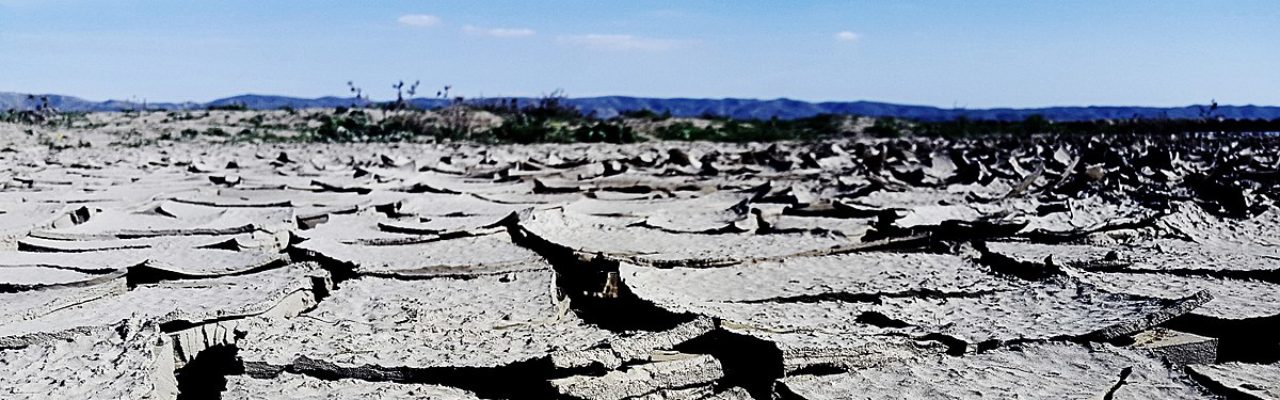
Here at PST, we believe that the collapse of civilization will likely be brought about by a global famine driven by environmental catastrophe. In the post-collapse world, most of continental America would have turned into a dust bowl. Decade-long droughts and severe water shortages will grip the continent. Freshwater sources will be depleted. Industrial scale agriculture will fail. The vast fields of corn, soybean and wheat that built the world’s greatest nation will turn into barren deserts. With industrial agriculture gone, perhaps the important post-collapse currencies will be heirloom seeds.
Imagine civilization has collapsed and the freight trucks have stopped coming down the American highways to stock our stores and supermarkets. After the collapse, famines will quickly follow. One of the first to industries to be wiped out is industrial-scale agriculture. The fragility of industrial scale agriculture is easily overlooked. The plump juicy tomatoes, potatoes and beans we see in today’s supermarkets are overlooked miracles of modern highly-mechanized human agriculture.
The modern crop varieties that produce the great bulk of today’s crops cannot grow without intensive human care. They need large, regular amounts of water, chemical fertilizers, pesticides and herbicides to suppress competing weeds. In fact, any of today’s crops have undergone such massive changes through selective breeding that cannot even reproduce by themselves, but need human help such as pollination or grafting. And if you think you can just get the seeds from the fruit and vegetables you buy in the supermarket, you’ll be in for a big surprise. Many of the seeds you’ll find in the fruits and vegetables you’ll find off the supermarket shelves are sterile.
The initial wars and intense localized fighting after the collapse of civilization or SHTF will eventually pass. Militias guarding permanent settlements will be able bring fragile peace in some localities. Out of widespread lawlessness, crime and hunger, some pockets of stability will rise. Also, homesteads in the remote wilderness will have their own isolated peace and stability. It will be in these pockets of stability that people will try to restart agriculture. Without the fertile soil, chemical fertilizers and abundant water, the only hope to restart agriculture is heirloom seeds.
That is why heirloom seeds will become priceless. They are the crop varieties grown by the past generations. They will rebuild agriculture and eventually civilization itself.
PART II. WHAT ARE HEIRLOOMS SEEDS?
In this section, we will define what heirlooms seeds are and explore the terminology often used to describe them.
Simply put, heirloom seed, sometimes referred to as heritage seeds, are the seeds of open-pollinated plants that have been handed by from generation to generation. A heirloom variety would characteristically be several decades old and are only grown by small-scale gardeners and not planted commercially.
Experts do not have an agreed upon precise definition on heirloom plants. Most of these definitions look at the date of the cultivar or plant variety that has been cultivated by selective breeding. Some use a cut off date, for example 1940, that a cultivar had to be in existence before it can be considered a heirloom. Another popular cut off date is 1945, or the end of World War II. Others use the date 1951, marking the approximate time the first hybrid varieties hit the world. Other use the age of the cultivar, such as 50 years, or some even a 100 years for some purists.
Another more practical approach is defining heirloom plants as a “heirlooms” in their truest sense. For cultivar to be considered a heirloom under this definition, it should have been cultivated and handed down from one family member or closely related person to across several generations. However, as there is a growing reliance upon seed banks to preserve rarer strains, this definition is becoming increasingly problematic.
Perhaps for the prepper and survivalist, a practical definition for a heirloom plant, and by extension their seeds, would be any plant variety with practical purposes, particularly food plants, that has been has been developed through localized, open-pollinated cultivation for traits for specific desirable traits, and adapted specific local conditions, across multiple generations of gardeners.
What are NOT heirloom seeds?
The definition of heirloom seeds is by nature ambiguous. There are several confusing terms, such as Non-GMO, open-pollinated, and organic. For the prepper and survivalist, it is important to make these distinction because heirloom seeds have some very specific advantages that will be discussed later on. For now let’s define the terms that some enterprising marketers will use to encourage people to buy their seeds, but may not actually be heirloom seeds.
Non-GMO
Some seedbanks will market their heirloom seeds as Non-GMO. GMO means Genetically Modified Organism. All heirloom seeds are obviously Non-GMO, but just because a seed is Non-GMO does not in any way suggest it is a heirloom seed.
What are GMOs, in the first place? GMOs are made by introducing new genes into plants to express certain desirable traits. These genes are introduced through advanced techniques such as physically inserting them into plants with gene guns or introducing viruses that carry these genes. Most if not all of these GMO crops require very specific care, amounts of fertilizer and herbicide. Practically all of these GMO crops are also engineered to produce the largest amount of crops for the maximum commercial gain of the industrial farmer. This is often at the expense of the plants natural hardiness.
Perhaps the most important reason why a pepper or survivalist should never use GMOs is their lack or even total absence of genetic diversity. Within one strain of GMO seeds, each seeds is also almost genetically identical, if not totally identically, to each another. That means one similar weather condition, pest, or disease can wipe the entire crop out. This is the exact opposite of what a survivalist should look for. Having genetic diversity among your seeds is important to be sure that even in the roughest conditions, some will survive. And over time, these survival of hardier plants will produce localized varieties, or varieties that are better adapted to the local conditions, such as weather, pests, lack of water, or disease.
Though on a tangent, is worth noting that over 90% of GMO seeds produced come from a company called Mosanto. One of the most controversial accusations against Mosanto is that their seeds are genetically engineered to require certain herbicides and fertilizers to grow properly, which of course are also sold by Mosanto. Enterprising practices like this by multimillion and multibillion dollar biotech companies are one reason why modern industrial agriculture, though wonderful in the sense that it has fed the hungry of the world, is very fragile. Once the required herbicides, pesticides, fertilizers and specific care stops, the entire crop is doomed.
PST’s view is that GMOs are not necessarily bad. In fact, over 90% of soybeans, cotton and corn in the US are grown from GMOs. In the developing world over half of all crops are GMOs. GMOs have helped feed and clothe the world for decades. However, the prepper and survivalist should steer clearly away from GMOs for their own seeds and crops, and only stock up on Non-GMO seeds, preferably heirloom varieties.
Why are heirloom varieties better than just any seed that is Non-GMO?
A Non-GMO just means that the seed or plant from where it came did not undergo any modern artifical genetic modification. A Non-GMO seed can also be the seeds of hybrid plant, a sterile seed, a plant that through its long domestication has long its ability to produce on its own or any other trait undesirable to the prepper or survivalist.
In short, the prepper or survivalist should not be impressed if a seed company selling heirloom seeds trumpets that its seeds are Non-GMO. by definition, all heirloom seeds are Non-GMO anyway, and being Non-GMO does not really tell you anything about how fit the seed is for preppers or survivalists.
Organic
Another term liberally used by marketers selling heirloom seeds is the term “organic”. There are different definitions of the word organic, depending who you ask and which jurisdiction you are in. For example to the USDA would have a very specific definition of what is organic.
While each country will have its own definition of what is organic, the USDA definition of organic is the most widely accepted and recognized. Most other countries recognize or have patterned their definition of organic after the USDA’s.
Under the USDA definition, food products can carry the “USDA Organic” or “Certified Organic” seal if its ingredients are 95% or more certified organic. Organically grown means it is free from pesticides, synthetic fertilizers and food coloring. The food should have been processed by industrial solvents, irradition. They should not geneticly engineered. Why 95%? The remaining 5% may be foods with processed with certain kids of additives.
You might also see “100% organic” which means it is totally made from organic produce.
Another controlled term is “Made with Organic” which means the food product was made 70% or more of the product was made with organic produce. The 30% was made with produce that have certain approved additives. The USDA seal cannot appear on anywhere on the packaging that is “made with organic”
For the prepper and survivalist, it is enough to understand these terms as these are always used by marketers. It is always best to buy from sources with grow their heritage seeds from plants grown organicaly. This was you know that the stock plants they came from are hardy, and are not reliant on pesticides, herbicides, chemical fertilizers or other chemicals which will be hard to find or unavailable after the collapse.
Open-pollinated
This one is non-negotiable! Hierloom varieties are open pollinated, sometimes designated as “OP” for brevity. This is an important distinguishing factor. Open Pollinated means that the plants reproduce through natural pollination methods, such as birds, insects, bees, or wind. All heirloom varieties are open pollinated. But, not all open pollinated varieties are heirlooms.
Open-pollinated plants are able to reproduce themselves. You won’t have to rely on grafting, cutting, or some other techniques to grow your heritage plants.
Being open-pollinated is important for survivalists in post collapse world because this means you can save your own seed to replant from year to year. Also, seeds from the fruit or vegetables of heirloom plants will produce plants that similar to the parent. This is not always true with seeds from hybrid varieties, but more on this later.
On a long game advantage of this is that as the survivalist or gardener continues to grow his heirloom fruits and vegetables, he can also select varieties of his heirloom plants that prove most suited to local conditions, such as drought or poor soil conditions.
Commercial Heirlooms
Another term you may come across is “Commercial heirlooms”. These are cultivars were acquired or developed by a business, such as seed companies, that continue to be circulated even if the original business entity that developed it has become defunct or discontinued producing that plant variety or strain. This is another murky term, as many of these commercial heirlooms were actually acquired from “family heirlooms” or the heirlooms plants in the traditional sense.
For the prepper and survivalist, if in doubt, it is best to stay away from them and buy only seeds that are true “heirlooms” or “family heirlooms”.
Hybrid Seeds
Another confusing term in the seed trade is the term hybrids. Scientifically speaking, a hybrid is the off spring of two or more organisms that are such as different varieties with the same species, or two closely related species. Fruits and vegetables are hybridized usually to express positive qualities, such as bearing larger fruit or resistance to a certain pest. For example, a plant that produces small and sweet tomoatos, could be hybridized with one that produces large but bland tomatos, in hope of producing a strain that is both sweet and large.
A cross-bred plant’s level of hybridization can be described in varying degrees. For example F1, meaning the offspring of two different varieties. F2, would refer to offspring of the orginal offspring. This exends down F3, F4, F5 and so on. Or the hybridization may have been done so far back that it is no counted anymore. This scientific terminology should not be of much concern to the survivalist and prepper and instead it might be more important to see what this will mean.
These hybrids however, are usually grown with the commercial farmer in mind, not for survivalists and preppers. Some hybrids are disadvantageous compared to heirlooms but this is a complete discussion all thogether, and will be taken in the next part.
To the prepper or survivalist, the term “Hybrid” is often used as a term to contrast from heirloom seeds. Heirloom seeds should be a prefrence for the prepper and survivalist, as shall be discussed in the next part of this article. However, growing a hybrid is not necessarily bad either. There might be some good hrbrids that are especially hybridized for certain qualities that are advantageous, such as a drought-resistance. The operative word here is might though, and PST advises unless you know exactly what you are getting it is safer to stick to heirloom seeds.
Summary of ‘What are Heirloom Seeds?’
For the prepper and survivalist there are certain things he should look for to ensure they are heirloom seeds. Heirlooms are always non-GMO and must open-pollinated. Preppers or survivalists must never buy seeds that are not open-pollinated. It is advantage if source of the seeds are also organically grown.
PART III – Advantages and Disadvantages of Heirloom Seeds
Why the big fuss about heirloom seeds? Why are should the prepper and survivalist bother ensuring that their heirloom seeds at all. Are we really getting a better deal with heirloom seeds.
Advantages of Heirloom Seeds
What are the advantages of heirloom seeds? Why are they important for preppers and survivalists?
-
Heirlooms seeds are strains that were grown before commercialization and modern breeding techniques.
This will ensure that they will more likely be able to grow in the conditions in a post-collapse world without synthetic fertilizers, herbicides and other chemical inputs.
-
Heirloom seeds are Open-pollinated
No grafting, cutting or other techniques are needed to reproduce. Heirloom plants should naturally produce the fruit and vegetables without much, if any, prodding from the survivalist or prepper. This means you will be able to save and grow your seeds from season to season.
-
The Heirloom seeds themselves are tougher and have better germination rates
This one advantage is often overlooked but is important to the prepper or survivalist. The heirloom seeds themselves tend to be larger and hardier. Comparing the seeds of heirloom seeds with most modern varieties, you can immediately see they are bigger and tougher. This is because large seeds are often seen as fault to a modern agriculturalist and vegetables with smaller seeds were preferred. In many cases, heirloom seeds have higher sprout rates (some say around 25% more) that commercial varieties.
-
Heirlooms plants are generally hardier and more dependable
Modern strains, hybrids or GMOs may have been be bred or genetically engineered to withstand certain conditions. Heirlooms tend to better all around survivors. They have persisted through multiple generations that experienced varying weather and climactic conditions. Heirlooms tend also to be be more tolerant of varying soil conditions and water availability.
-
Heirloom seeds will “grow true” to the parent
With hybrids, it is very common to have offspring that grow very different from the parent plants because . This makes them a less dependable choice for those who will rely on their fruit and vegetable plot for survival. For many GMO seeds available, in fact, the fruits and vegetables they produce have sterile seeds.
-
Heirloom seeds contain enough genetic material for localization
Some modern varieties of fruits and vegetables, do not have enough genetic biodiverisity to allow “localization” of your crops. For hybrids in the meantime might have too much variation. Like in the Goldilocks principle, heirlooms have just the right about of genetic biodiversity to allow localization, but not so much that the resulting seeds or offspring plants will be unuseable.
-
Heirlooms plants tend not fruit or ripen all at the same time
Unlike most modern crop varieties, which by selection have been bred to fruit or ripen all together, heirlooms generally tend to ripen at slightly different times. This is more useful for the prepper and survivalist whose concern is having a steady food supply, rather than a crop meant for commercial distribution and processing.
-
Some claim heirlooms are better tasting and more nutritious
While claims that heirlooms are better tasting and more nutritious are subjective and hard to substantiate, the opinions of the majority that stand by this are hard to disregard.
Disadvantages of Heirloom Seeds
Now let’s play devil’s advocate. Let’s go to the disadvantages of heirloom seeds, or the advantages of modern crop varieties. It’s said a good way to test if your ideas are right is to argue for the opposite answer.
-
Certain modern crop varieties are bred for hardiness
Some modern crop varieties and hybrids that are bred particularly for hardiness and pest-resistance. Unless you know exactly what you are getting, take this one with a grain of salt, as many of the modern crop varieties that have hardiness of some type, also may have weaknesses to more destructive factors of wilderness, such as resistance to hail or wind.
-
Heirlooms tend to produce smaller fruit or vegetables.
If you already have the facilities to grow them, compared to most modern varieties, heirloom vegetables tend to produce smaller fruit and vegetables.
PST’s Conclusion on Advantages and Disadvantages of Heirloom Seeds
Heirlooms between modern varieties and other hybrids does have an advantage. For the prepper and survivalist, it may be safer to stick to to heirlooms, because you are sure what you are getting is adapted to growing in the age before large-scale industrial techniques. Also, heirloom may be overall better survivors since the strain has been well maintained. As for modern crop varieties and hybrids, these were usually created with the qualities that may not always be ideal to the survivalist or prepper. For example, we all want larger tomatoes, but what is the use of a tomato plant to prepper or survivalist if it doesn’t survive a couple of frosty evenings. In short, with heirlooms what you are getting are plants that are the most likely to survive all adapted. You should only venture away from heirloom if you know exactly what you are getting.
PART VI – Where do you buy Heirloom Seeds?
They are several places to purchase heirloom seeds in the United States. One reliable source is from large seed banks which have large catalogues of seed varieties, often heirloom and non-heirloom. Another source is from companies that directly target preppers and survivalists buy selling ready made kits or collections of heirloom seeds. There is also a section below for readers from Canada and the United Kingdom.
This section is for readers in the United States. There are often strict regulations with the mailing of seeds to across international borders. (Jump to Where to Buy Heirloom Seeds in Canada or jump to Where to Buy Heirloom Seeds in the UK.)
Seed banks
There are many private and public seed banks in the USA and all over the world. However, perhaps the most popular one is Seed Savers Exchange. Seed Savers Exchange is a non-profit organization dedicated to the preservation of heirloom seeds. While there are many other seeds banks, Seeds Savers Exchange is by far the most popular one in the US and many other countries.
The problem with seeds bank is that they have such a large selection seeds, many of which will not be useful to the prepper and survivalist. Seed Saver’s Exchange does have some collections which the PST Editorial Board recommends to the prepper or survivalist two items from their vast array of products. The first is their “Collection, Beginner Gardener” and the “Collection, Urban & Small-Space”. Both of these collections each contain six packets of heirloom seeds which are easy to grow.
Their Collection, Beginner Gardener contains the following:
- Provider Bean
- French Breakfast Radish
- Green Arrow Pea
- Velvet Queen Sunflower
- Early Fortune Cucumber
- Black Beauty Squash
- SSE Lettuce Mixture
This mix is very easy to grow vegetables, with the exception of sunflowers, which is more ornamental, which is included in the mix.
The Collection, Urban & Small-Space contains the following:
- Green Oakleaf Lettuce
- Purple Podded Pole Bean
- Suyo Long Cucumber
- Danvers Carrot
- America Spinach
- Chioggia Beet
All of them are food crops that are meant to grow in limited space, which is an advantage to the urban gardener.
Note though that Seeds Savers Exchange only ships to addresses within the United States, Canada, or Puerto Rico.
PST also recommends giving a look another seed bank, the Kusa Seed Society. They are also a non-profit scientific and educational society. However, for the prepper and survivalist, the Seed Savers may be more useful. Kusa’s seed selection tends to cater more to those heirloom seeds with historical and cultural significance rather. Meanwhile Seed Savers tend to focus more on the gardener.
However to the PST editorial board, Kusa deserves special mention because it focuses on cereal grains, grain-legumes, oilseeds and other edible seeds. These ancient cereals are the building blocks of human civilization. If ever the collapse wipes out all modern cereal crops that require industrialized care and the systems that support it, it will be the seeds like the one’s from Kusa which will give mankind a chance to rebuild.
Most interesting to PST is Kusa’s “Awnless Wheat Offer”. The Awnless Wheat Offer is a package of five packets of 50 seeds of awnless wheat each. Awns is the material with a rough texture that is irritating to the eyes, nostrils and tongues of livestock such as horses, goats and rabbits. Awnless wheat meanwhile makes good eating in case you maintain any live animals. This makes these forms of ancient wheat both food for humans and livestock. Note though that Kusa does not ship outside the US.
Overall, buying from large seed banks can turn out rewarding, but they are not specifically catered to the survivalist and prepper, and more towards the gardeners and other similar hobbyists.
Companies Targeting Survivalists and Preppers
There are a number of companies that specialize in assembling collections of seeds geared towards the prepper and survivalist. These usually will contain a large collection of heirloom seeds of different varieties and quantities. While there are quite of companies that sell heirloom seed kits, the most prominent ones have already found their way on the top eCommerce platforms, particularly Amazon.
Top 5 most commercially successful collections of heirloom seeds for assembled for preppers and survivalists as of 2018.
The Survival Garden Seed Vault is most commercially successful heirloom seed survival kit. This highly marketable item by the company Open Seed Vault contains approximately 15,000 seeds, spread over 32 varieties of heirlooms seeds, all vegetables. The manufacturer claims all their to be 100% naturally grown with high germination rates. At this time, we have no reason to doubt it they are indeed 100% grown and consumer reports suggest most of the packets do have high germination rates.
The Survival Garden Seed Vault is said to have a minimum 20 year shelf life which would satisfy most preppers and survivalists.
The product does claim to have “Carefully Selected Seed and Vegetable Varieties to Provide a Well Balanced Healthy Diet.” The PST Editorial board thinks though that the seeds, even though there are 15,000 of them, has a distribution leans towards vegetables that are fast growing but low in calories. For example there are around 3,000 seeds described as ‘Celery Tall Utah Improved’ but 25 seeds of ‘Pea Sugar Daddy’. A survivalist and prepper would lean towards vegetables that are high-calorie and can be dried and stored such as beans.
At $16.95 retail value, there does seem good price for value.
The Arma’Garden has 20,300+ heirloom seeds of 32 varieties. The manufacturers claim the heritage seeds come from the high quality parents, hand harvested by organic U.S. farmers, which may be the case, as these may have come from the same manufacturers as The Survival Seed Vault.
They are more sober in their claims of the shelf-life for these seeds. They are packaged in mylar bags with individually resealable bag. Their advertised germination rates are also quite realistic 95% germination rate if immediately planted and 85% after 3 years of storage.
Though there are 5,000 more seeds in the Arma’Garden compared to the market leader seed vault, the low-calorie vegetables that cannot be dried or stored, such as lettuces and celery, make a big chunk of these seeds.
At $19,97 the price is reasonable for what you are getting.
While the Survival Seed Vault does a little less commercial well than the top two, we think that its selection of seeds is better. It has less of the low-calorie and unstorable vegetables such as lettuce and celery, and more high-calorie vegetables that can be dried such as peas and beans.
The 20 varieties chosen by the manufacturer aslo tend to be more of the easy-to-grow vegetables which is good news for the preppers and survivalists without green thumbs. The vegetables selected were also chosen based on flexibility when it comes to the climactic zone, meaning their good for hot or cold weather. High Yield and germination rates are also claimed by the manufacturer.
Patriot Seeds claims they are sealed for “Long-Term Emergency Storage” or 5 or more years which, though not as wild as claims of having seeds that can last for over 20 years, will be good enough for most preppers and survivalists.
At $20.19, despite not having as many seeds as the top two commercially successful brands, seems like a better buy due to the mre thoughful selection of the vegetables seeds and the amount.
The Bugout Seeds Bag has around 5,000 seeds across 25 varieties of heirloom vegetables all easy-to-grow and meant for varying climate zones which is a definite plus. Unlike the top two (Arma’garden and Survival Seed Vault) does bolster their seed numbers in thousands of lettuce and celery seeds.
The Sustainable Seed Company claims that if kept in the right conditions their seeds can last for five years or more which is a reasonable claim.
The Sustainable Seed Company also claims that they employ “U.S. Veterans, troubled youth, 2nd chance and disabled Americans” and “donate to over 100 charitable organizations globally” and welcomes visits to their facility which is a plus factor when it comes to trust.
At $14.95, the Bugout Seed Bag is a good buy considering the trust they try to build up with their brand and good seed selection.
The Premium Heirloom Seeds by Survival Essentials holds around 17,880 seeds spread across 100 varieties of heirloom vegetables and fruits. It has 80 varieties of vegetables, 9 varieties of fruits (mostly melons) and 11 varieties of medicinal and culinary herbs. They are missing however several key heirloom plant varieties, especially peas and beans, which are useful to the prepper and survivalist high-calorie and can be dried. Corn, another easily dried and stored crop, is also missing for their vegetable selection,
Because of the missing lentils, I would think twice about relying on this product solely.
At $54.99 the Premium Heirloom Seeds is on a different price range as the other four market leaders, but the much larger variety and the free microgreens kits seems to make it a reasonable buy despite the missing lentils in their selection.
PST’s Editor’s Pick: Complete Survival Seeds Vault by Charles C Harmon Co LLCThe Complete Survival Seed Vault is said to contain around 19,645 seeds over 105 heirloom varieties While we could have preferred more varieties and bean varieties they do have alfalfa which is a very hardy forage crop that also is nitrogen-fixing, meaning it can help restore the fertility of soil.
Alfalfa on its own does not require much care, you can leave it in part of your homestead or property where it can left to grow on its own. While usually meant for livestock, such as horses, goats or rabbits, its sprouts can be digested by humans in emergency food shortages.
On the downside, the Complete Survival Seeds Vault has only two kinds of peas, two kinds of beans and one kind of corn. PST looks at these plant crops since these are the ones which are high-calorie and easy to dry and store. We would have preferred more varieties of these. But such a large variety of seeds is difficult to pass on. And the addition of alfalfa was a good move on the manufacturers.
At $89.99 this is several times more expensive than the commercially more successful ones, and it gives one the feeling that one might be better off buying a couple of the cheaper more commercially successful ones listed on top. However, if you had money to burn, this might be a good seed vault due to the sheer variety of plants and inclusion of alfalfa.
Where to buy Heirloom Seeds in Canada?
Just like in the United States, in Canada you can either buy seed banks and also ready made heirloom seed kits tar
Seed Banks in Canada
Unfortunately, many seed banks and seed companies in the United States don’t ship even right across the border in Canada. One of the most popular seed banks in Canada is Heritage Harvest Seed. They’ve been in business since around 2002 and are among the most trusted seed bank companies in Canada. They have a marvelous selection of peas, beans, grains and other fruits and vegetables. Heritage Harvest Seed does not ship outside Canada.
Salt Spring Seeds is another all-time favorite seed bank based in Canada. This company has been around since 1986. Perhaps, Salt Spring Seeds has the most completed catalog of all Canadian seed companies. Salt Spring Seeds does not ship to the United States but ships overseas.
Heirloom Seeds Kits in Canada for Preppers and Survivalists
When it comes to assembled heirloom or heritage seeds kits, there is not as big a selection in Canada. However, two of the top three most widely sold Heirloom Seeds kits available in the US are also available in Canada. Aside from these two, none of the other popular heirloom seed kits for preppers and survivalists are readily available in Canada.
This Survival Garden Seed Vault is just the same as what can be found across the border. One set sells at CDN$17.95 making it an affordable choice that has a lot of value for money.
2. Survival Seed Vault by Patriot Seeds in CanadaCanadians have a better option with the Survival Seed Vault by Patriot Seed. The cost of their kit is CDN$31.65 as of press time. While more expensive, we like the selection of the seeds here more.
Where to buy Heirloom Seeds in the United Kingdom?
The United Kingdom has several excellent seed bank companies that have remarkable catalogs. However, the availability of
Seed banks in the UK
The Real Seed Collection Ltd is perhaps one of the most recognized seed saving company in the UK. They specialize in selling seeds to the home gardener and the seeds on their catalog are handpicked by the owners. They have been in business since the 1990’s.
Another widely-recognized seed Garden Organic, which is the working name of Henry Doubleday Research Association. This research association is a charity that maintains its own heritage seed library.
Heirloom Seed Available in the UK
Heirloom seed vaults or kits created for the prepper and survivalist are not readily available online for sale in the United Kingdom. This is indicative of the much smaller demand for these kits because of the smaller number of prepper and survivalist communities and enthusiasts in the UK. The good news is on eCommerce platforms like Amazon, the United Kingdom is bustling with small and independent gardener who sell heirloom seeds.
PART V: Assembling Your Own Heirloom Seed Bank
These seeds are heirlooms, valuable family treasures, but instead of a treasure in the traditional sense like jewelry or gems, these are far more precious to the survivalist and prepper. They are genetic treasures that have the potential to rebuild civilization after a total collapse. If saving heirloom seeds is your thing, it might be well worth it to take the time and effort to do research and assemble your own seed bank.
Of course buying any of the ready heirloom seed kits from any of the companies discussed in the previous section is a quick and affordable way of ensuring yourself that you will have seeds once society collapses. Especially, if you are saving seeds not only to provide food, but a form of post-apocalyptic currency. However, saving collecting and even saving your own seeds or tubers at the end of a growing season gives you the experience of growing your own food and control in building up your own seed bank.
Step 1: Planning your Heirloom Seed Bank
It is helpful before your start to write out a plan on what you want to accomplish with your seedbank. As a prepper and survivalist, there are several questions you can ask yourself.
Are they for trade as post-collapse currency, for eating, or for both? Again, PST editors think flexibility is key here.
How many people do you plan to feed? You could end up with an entire granary full of dried corn and beans, but if you don’t have the manpower firepower to defend it against a bunch of bandits with shotguns you might as well stick to something you can stash away or carry on your back.
How much time and money are you willing to spend? I like going for projects that I can easily start and finish. It helps if there is a time line definite end. For example, I can tell myself I will spend $200 dollars in six months, working on it two hours a weekend.
What are your SHTF or bugout plans? Do you already have a large homestead that you can defend? There you can plant your own crops and try them out? Are you an urban prepper and survivalist and just want a small seed bank of around 5,000 seeds that can fit my my bug-out bag. Perhaps, this small heirloom seed bank will be used to start my own garden once I make my way out of the urban mess and find my own quiet spot deep in the woods.
Unless you are an experienced agriculturist, and know exactly what you are buying, it may be best to stick with heirloom seeds. As mentioned, these heirloom seeds by definition should be open-pollinated, non-hybrids and non-GMOs.
Why? Important facts are worth repeating. GMOs and hybrids sold by large corporations such as Monsanto, usually don’t want you to be able to save your own seeds. They see the seeds as their intellectual property after having huge sums of money on their research and science, and they want you to have to buy seeds from them again. In fact, hybrids or GMO seeds often have sterile first generation (F1) offspring. This means that while you’ll get viable plants from the seeds you buy, the seeds you save from those plants will likely be sterile. Hybrids will often produce offspring that are so unlike the parents that their cannot be depended on by a prepper and survivalist trying to feed his family. Lastly, remember in starvation situations, eating the seeds themselves can save your life.
Step 2: Research and Decide What Kind of Seeds You Want to Save
Next, you should research and identify exactly what kinds of heirloom seeds you want and in what kind of quantities.
Save heirloom seeds of fruits and vegetables you enjoy eating
Good food is always a good motivator. We recommend actually planting some of the seeds you buy (being sure to reseal them in an airtight container) and growing and tasting the resulting fruits and vegetables. Unless you can grow them too, heirloom seeds will not be able to feed you.
Save heirloom seeds that are easy-to-grow and require little care
The easiest seeds to save and bank are self-pollinated seeds (see below for more info on this). While as a whole, heirloom plants are tough, some are tougher than others. Some heirloom beans and peas for example need very little supervision. Meanwhile, some lettuces are require more of a caring hand.
Consider heirloom seeds that are high-calorie and easily stored
Beans, peas, corn, root crops are a lot easier to store than lettuce, tomatoes and eggplants. There are vegetables that are good for dry eating, and those that don’t do so well dried. If you have a choice, a prepper or survivalist should be the variety that can be dried and stored over a vegetable that can’t.
Just as important as growing food is having it when you need it most. That’s why the ability to store food is so essential.
If ever the SHTF or society collapses, you won’t be too worried about losing weight. You’ll probably have the opposite problem, finding enough calories to fill your constantly hungry belly. Choose high-calorie vegetables, such as lentils and root crops over lower calorie vegetables such as lettuces and celery. This is especially true if you only have limited space and you have to make each square inch of plantable soil worth it.
Consider your local conditions – weather, soil, climate and available space
This research will is perhaps among the most important of the things you have to consider. There are some plants that adapt very well to different climates, while others need certain kinds of weather. Generally, it is a good idea to look for heirlooms that deal well with drought. This is especially for those living in the United States where “Megadroughts” will take over the continent.
Take your time to research what vegetables grow well in your area. If needed, talk to local agriculturalists or gardeners. They will probably know a lot about the growing conditions of your specific area.
Step 3: Grow or purchase your heirloom seeds
If you’re just starting out, you’ll need to get your seeds from one of those seed banks or companies that sell pre-assembled heirloom seed collections specifically for preppers or survivalists discussed in the previous section. While there is a lot of fun trying to assemble your perfect collection yourself, less than $20 can give you a big head start. After all, it’s good to take advantage of what modern life can give before it’s taken away by the collapse.
Check out the seed banks discussed in the previous section. Seed banks usually have the advantage of having a wide selection or catalog. However, having just too many selections on their catalog can also be a disadvantage, especially since not every variety will be good for the purposes of the prepper or survivalist. There may be lots of heirloom varieties that need special care.
Lastly, it’s good to visit local heirloom enthusiast meet ups so you can learn what’s growing well in your area. Getting involved in the local community always has benefits. Most heirloom seed growers will be more than happy to share what they know about certain varieties, especially the ones they have painstakingly localized, or planted for enough growing seasons that the surviving offspring are well-adapted to local conditions. Of course, aside from it’s a good place to look for future allies and trading partners.
Step 4: Start Saving and Storing
There is a lot of technical info at the International Seed Savers Institute. Try have a look at the International Seed Savers Institute’s basic seed saver’s guide as well which is perhaps on of the more informative online resources.
As a rule of thumb, heirloom seeds or any seed for storage for that matter, should be dried to less than 7% moisture and kept in cool dark area. Of course you may not have the fancy tools to measure a seed’s moisture content, but generally five days or more days in the sun will dry the heirloom seeds enough for a few years storage.
It is recommended that seeds saved are frozen at least zero degrees Fahrenheit (-18 degrees Celsius). However, as long as it is kept generally cool, such as inside your bugout bag in your closet or in your basement, it can be expected the seeds will last several years.
Part VI – How do you save Heirloom Seeds?
There is a number of terms that a prepper or survivalist can become more familiar with if ever they want to go a step further into heirloom seed saving. PST absolutely recommends after acquiring your heirloom seeds, either the buying a ready-made set or after painstakingly putting the collection yourself, is to try save seeds yourself.
Though heirloom seeds are open-pollinated there is still a distinction between the two. There are what you call ‘self-pollinated’ and ‘wind and insect pollinated’ heirloom seeds.
Self-Pollinated
The most easiest heirloom seeds for the prepper and survivalist to grow are those that are from self-pollinated plants. Self-pollinating plants include tomatoes, beans, lettuce, peas, chicory, and endive. Self-pollinated seeds fertilize themselves, meaning the pollen from a plant’s flower fertilizes the stigma on that same flower. You will perhaps get a couple of hybrids from cross-pollination but this will be the exception rather than the norm. In any case, a little biodiversity through interbreeding can be good, especially if it is with local varieties that have already adapted to local conditions.
Wind and Insect-Pollinated Seeds
Preppers and survivalist studying gardening will also encounter ‘wind and insect-pollinated heirloom seeds. Crops such as corn, cucumber, radish, spinach, and squashes are some of them. Some purist gardeners have intervene to prevent unwanted hybridization among wind and insect-pollinated plants. This intervention can come in the form of hand-pollinating the plants to prevent cross-pollination. Another intervention is making sure there is considerable distance between the variety you are growing and other varieties.
Biennial Vegetables
Biennial vegetables produce seeds the year after they are planted. They include onions, carrots, cabbages, beets, swiss chard, turnips, celery, leeks, and others. Instead of harvesting at the end of the first growing season, the plants need to be successfully overwintered the same year they are planted. The second growing season is when the plants will flower and set seed.
It’s important that preppers and survivalists, especially those in the temperate regions, are not overly reliant in biennial vegetables. When the SHTF and the collapse comes, what you’ll eat to survive the winter this year might become infinitely more important than what you’ll eat next winter.
Orthodox Seeds
A heirloom seed is considered an “orthodox seed” if it can withstand the freezing and drying conditions that are necessary for storage. Of course, some orthodox seeds can last longer than others. Some enterprising heritage seed producers lay claims of their seeds lasting up to 25 years or more. Other kinds of heirloom seeds start having lower germination rates after a year. Gladly, most vegetables consumed today have orthodox seeds, such as beans, peas, corn, and tomatoes. In fact, about 80% of plant species are orthodox seeds.
Recalcitrant Seeds and Intermediate Seeds
You might encounter also “Recalcitrant seeds”. Tropical plants such as mangos, coconuts and tea plant seeds often have recalcitrant seeds. Drying or freezing will kill these seeds and thus they cannot be saved for a year.
Midway between orthodox seeds and recalcitrant seeds are Intermediate Seeds. Perhaps the best know crops that have Intermediate seeds are coffee and papaya. Intermediate seeds can be dried and stored to some extent, but .
Needless to say, vegetables and fruits with recalcitrant and intermediate seeds should not be considered for your heirloom seed bank or collection.
Wet and Dry Heirloom Seeds
When it comes to actually saving heirloom seeds from plants in your garden, some gardeners like to categorize seeds into “wet” and “dry” seeds.
“Dry” Heirloom Seeds
Dry heirloom seeds, such as peppers, corn, peas and beans, are are relatively easy to save and store. You simple just have to scoop out the desired seeds. Rinse them. Dry them. Then the should be about ready for storage. Sometimes, you must allow the pods to dry on the vine, as with the case with many beans and peas.
“Wet” Heirloom Seeds
Melons, watermelons, tomatoes and cucumbers are wet heirloom seeds and a bit trickier. For these kinds of fruits and vegetables, scoop out the seeds and place into a cup or container. Of course, a little of the pulp will naturally stick to the heirloom seeds. You can try wash it off or dry it and peel it off the pulp.
Some gardeners like to ferment them pulp off. To do this add a little water in a container. The seeds may float depending on the type. You may want to cover the lid to prevent bugs coming in and any smell coming out. Let the seeds sit in the water for three or four days. After which, any floating seeds would have settled to the bottom of the container. A layer of white or reddish mold might grows on top. Don’t panic. Pour out the pour the water and mold, and any other goo and slime at the bottom. Strain and wash the seeds off. Lay them on an absorbent cloth or paper towel and let them dry for 5 days or longer.
PST Expert Tips: There are beans that are good for wet eating and dry eating. Some, like the Cherokee Trail of Tears, have beans that are very hardy and can be dried and stored. We also generally prefer seeds that themselves can be eaten for emergencies. The ability make food is important. But it will be the ability to store food that will allow you thrive.
PART VII – The Future of Heirloom Seeds
Unless mankind stops its wanton pillaging of the planet, the collapse of society is a question of “when” rather than“if”. Accelerators to our planet’s destruction, such as war, plagues, drought and famines, make it seem that this “when” is becoming increasingly near, and more likely than ever within our lifetimes. What do you think will happen if Russia and China can no longer feed their masses? How about India and Pakistan? What forms of radicalism and terrorism shall come out of Subsaharan Africa and the Middle East as they desert engulfs the little agricultural land they have left and their cities swell with hungry, disgruntled and unemployed men?? History is a good teacher here. However, unlike any period in human history, we have never been truly globally connected. And, as a globally-connected economy, like a house of cards, the higher it is built, the greater the crash.
Modern agriculture is more reliant than ever on the massive amounts chemical inputs and ever more advanced scientific techniques to feed the globe’s population. This in turn makes us more reliant on the biotech companies. They make the seeds that the majority of our farmers use. And, yes, they supply the chemical inputs as well. This may in fact be our greatest undoing in terms of global food security. We’ve become so accustomed to abundant food that once the systems that allow industrialized agriculture collapse, chaos will ensue. World population has grown so large (and so fast) that any disruption on the supply chains and global trade that allow the miracle of industrialize agriculture will have unprecedented consequences.
The shrinking of genetic diversity in crops around the world is also a ticking time bomb. Monocultures of corn, wheat, rice and other major crops also become more susceptible to being wiped out by one massive event, such as a disease or pest. The more genetically alike plants are the more likely that can be harmed by the same disease or pest.
The past decade or two’s trend to go organic and sustainable is simply too little, too soon. The great majority of the world’s population, especially in industrial cities, rely on the mechanized agriculture that is so fragile. Even, the resurgence in the popularity of heirloom vegetables is just too small too have an impact on industrial agriculture.
Preppers and survivalists have the foresight to prepare for this. Saving heirloom seeds might be one of the most important keys in rebuilding societies that have collapsed. Without the golden fields of GMO wheat, corn and cotton, and herds of antibiotic-pumped livestock to feed the world’s greatest countries, the world will go hungry. Then, man will have to fall back on his forgotten treasures that have helped him survive many generations before we entered this current age of unsustainable plenty. Man will fallback on our heirloom seeds. That is where you come in.