Nothing makes a man more desperate than seeing his children go hungry. He will kill you and cook you if he could before he allows his children starve to death. You would probably do the same, too. Now, imagine a global famine gripping millions of families around the world.
Famine – of all the scenarios leading to the end of the world, it is one of the most underestimated one. To most of us living in this modern world of pizza deliveries and supermarkets stocked full with an unimaginable assortment of food products from around the world, famine seems like a far-fetched idea. Famines seem to belong only in the history books, rearing its ugly head during the most turbulent times like the disastrous Great Leap Forward of Mao Zedong’s China or the result of decades war and drought in Sub-Saharan Africa. However, believe it or not, famine can change the world far greater and much sooner than you think, perhaps even within your lifetime.
Here are 8 reasons why.
1. FAMINE IS NOT SOMETHING MOST PEOPLE ARE PREPARED FOR
You may have gotten accustomed to how easy it is for modern humans to access food. You can call for a pizza from the comfort of your home, or walk down to the grocery store and pick up agricultural produce grown half a world away without a second thought. After all, for the past centuries on a global scale, food has only grown both in quantity and available varieties. In fact, it seems like that the history of man can be seen as a constant increase in mankind’s capability to produce food. A global famine seems to be the last thing on people’s minds when it comes to the end of the world.
But just imagine, what will you do if one day, your refrigerator is empty and there is nothing to buy on the grocery store shelves? What if there is some food items in the stores but they are priced are ten, twenty or even fifty times the cost of what they normally are? What would you do? Or a more frightening question, what would others do to you and your loved ones?
If the ships, plane and trucks that carry food from the around the world suddenly one day stop, how many days worth of food you have stocked at home to feed you and your loved ones? Hopefully, some of this is food you have stocked up does not require refrigeration. Chances are you might not have more than a week or two of food stocked at home. Perhaps you are one of the prepared ones who has a plan and does have a good quantity or stocks, now it’s a question of how do you plan to deal with those who want to take your food from you?
The illusion of constant availability and unlimited quantities of food have lulled the large majority of the world’s population into a dangerous state of unpreparedness. Just the slightest hiccup to the distribution or supply of food to the cities can cause chaos. Once people get wind that food isn’t going to come in for a while, things can downward spiral very fast. And, there’s nothing that will drive a man to do desperate things more than a hungry family back home. Famine or food shortages is just not something most of people are prepare for.
2. IT’S NOT JUST THE AVAILABILITY OF FOOD, BUT THE DISTRIBUTION

As of today, there are more obese people walking this earth than undernourished ones. United Nations Food and Agriculture Organization estimates that one third of all food ever produced gets lost or wasted. Yet, why is it that famine is such a grave danger to humanity?
Social scientists who study famines have noticed that in modern times, for the most part, famine is not purely caused by environmental factors, like drought or crop failures, but of failures of governments and economies. For example, the 2011 East Africa Drought caused a famine which is said to have killed around 10,000 people a day at its height with estimates of total death toll reaching as high as 260,000. This happened despite there being a surplus of food both globally and regionally. However, due to political instability in the affected regions and poor coordination in government efforts, tens of thousands of East Africans died from starvation before any food aid reached them.
It may be a case where there is food but local populations cannot afford it. This has already happened many times in modern history, such as in 2007-2008 World Food Price Crisis when food prices skyrocket out of the range of consumers in many developing countries, causing riots and social unrest. In this case, the food crisis was caused by a number of reasons such as : it was the diversion of food crops, particularly corn, to the production of biofuels; a smaller supply in grain producing nations due to drought; and high costs of oil. In this case, it was failure of the economy which caused an increase in food crisis.
These events illustrate a point. Even if there is surplus food, if it does not reach the right people on time or they cannot afford it, people will starve. The distribution and price of food is just as important as the regional or global quantity available.
3. FAMINE DOES NOT HAVE TO STRIKE YOUR COUNTRY TO AFFECT IT

A famine or food shortage does not have to hit America or your country to greatly affect it. When a neighboring country starts becoming short on food, their society becomes very unstable. Some scientists even claim to have made algorithms that link food price and average income to social unrest. In places such as Sub-Saharan Africa and some parts of the Middle East hunger is already expressing itself through ethnic and political violence. Militant groups and political factions will always try to take control of territory to secure resources. In countries where hunger is a threat, there will always be soldiers (or terrorists) who would not hesitate to take up arms. Hunger drives war.
Famine also causes a wave refugees which is a destabilizing force to the receiving country. An influx of desperate migrants makes governments want to tighten their borders. Anti-immigrant sentiment is already churning up in Western Europe as droves of refugees from Africa and the Middle East make their way in. This kind of sentiment may have helped put Trump in power and a country like the UK to “Brexit”. As borders are tightened, this will further breed conflict between the countries and societies that “have” and those that “have-not”. This friction between countries and societies that “have” and “have not” will only get worse as the economic and social gap between them grow.
In the world today, a large-scale famine is likely to cause an unpleasant cocktail of war, refugees, crime, terrorism and price fluctuations to spill over to neighboring countries and ultimately affect the entire world.
4. CLIMATE CHANGE BRINGS FAMINE AND FOOD SHORTAGE
Climate change is bad news. You probably know that by now. But much of the furor over climate change is focused on the symptoms, such as the rise of global sea levels, the melting of glaciers and polar icecaps, the thawing of permafrost and other ominous signs. While these shocking effects of climate change ought to jolt you awake, they may take away the spotlight on something fundamentally devastating – the effect of climate change on mankind’s basic ability to feed itself.
One overlooked effect of climate change is its effect on our crops. Scientists have uncovered that for staple cereal crops (such as wheat, corn and rice), once optimal growing temperatures are exceeded, for every increase of 1 degree Celsius in temperature, yields decline by 10%. Some scientists even regard this 10% decrease as an underestimate, believing it to be as high as 15 or even 17%.
Can’t you just start planting cereal crops higher up north? Won’t this only apply to regions which are already at optimal growing temperature?
Yes, a warmer climate will make growing food easier in places like the colder Northern latitudes of Canada and Russia. But what not may be easy is moving existing crop lands and the economic structures around them several hundred miles north. Agriculture is also limited by what soils and rain patterns the land has. It is not just a matter of simply relocating everything northwards. In the tropical latitudes, it is already too hot to efficiently grow grain. In those places which are major producers of grain now are already at optimal growing temperatures. This means that any further increase of temperature from now on will only drive global production of grain down.
Not only does climate change make everything hotter and most croplands less productive, it also creates more unpredictable and severe weather. Today’s major agricultural areas came about because these were some of the best places to grow crops based on existing soil resources and rain patterns. When the rain patterns change, or totally move on to another place or stop altogether, agriculture is affected.
It is not just on land that climate change affects food production, but also in our oceans and seas. Let’s tackle three of the most disturbing ones.
First, as the amount of carbon increases in the air, this turns the oceans slightly more acidic. This unbalances the ocean’s delicate ecosystems, such as by affecting the growth, bleaching or killing corals. This already is being seen with the wide-scale dying of corals on Australia’s Great Barrier Reef. Second, a warmer ocean can absorb less oxygen, overall affecting the amount of fish the ocean can produce.
Finally, a warming climate is slowing what is called the “Global Conveyor Belt”. This planetary system of ocean currents distributes warmth and nutrients and regulates weather worldwide. Its slowing down means both altered weather patterns and a disrupted ocean ecosystem. With these stresses, the collapse of our already far-overstrained global fisheries is a possibility.
Many top researches have stated that climate change is on an unstoppable run-away track fed by self-reinforcing of cycles. Melting polar ice caps make our seas absorb more heat and reflect off less the diminishing white ice. The melting of the permafrost in the tundras is releasing more carbon into the air. As more forested land turns into dessert, yet more carbon is released into the atmosphere. Climate change is real and it will only work to decrease our global food supplies and make famine more likely.
5. INCREASED DEMANDS OF INDIA, CHINA AND OTHER DEVELOPING COUNTRIES FOR MEAT
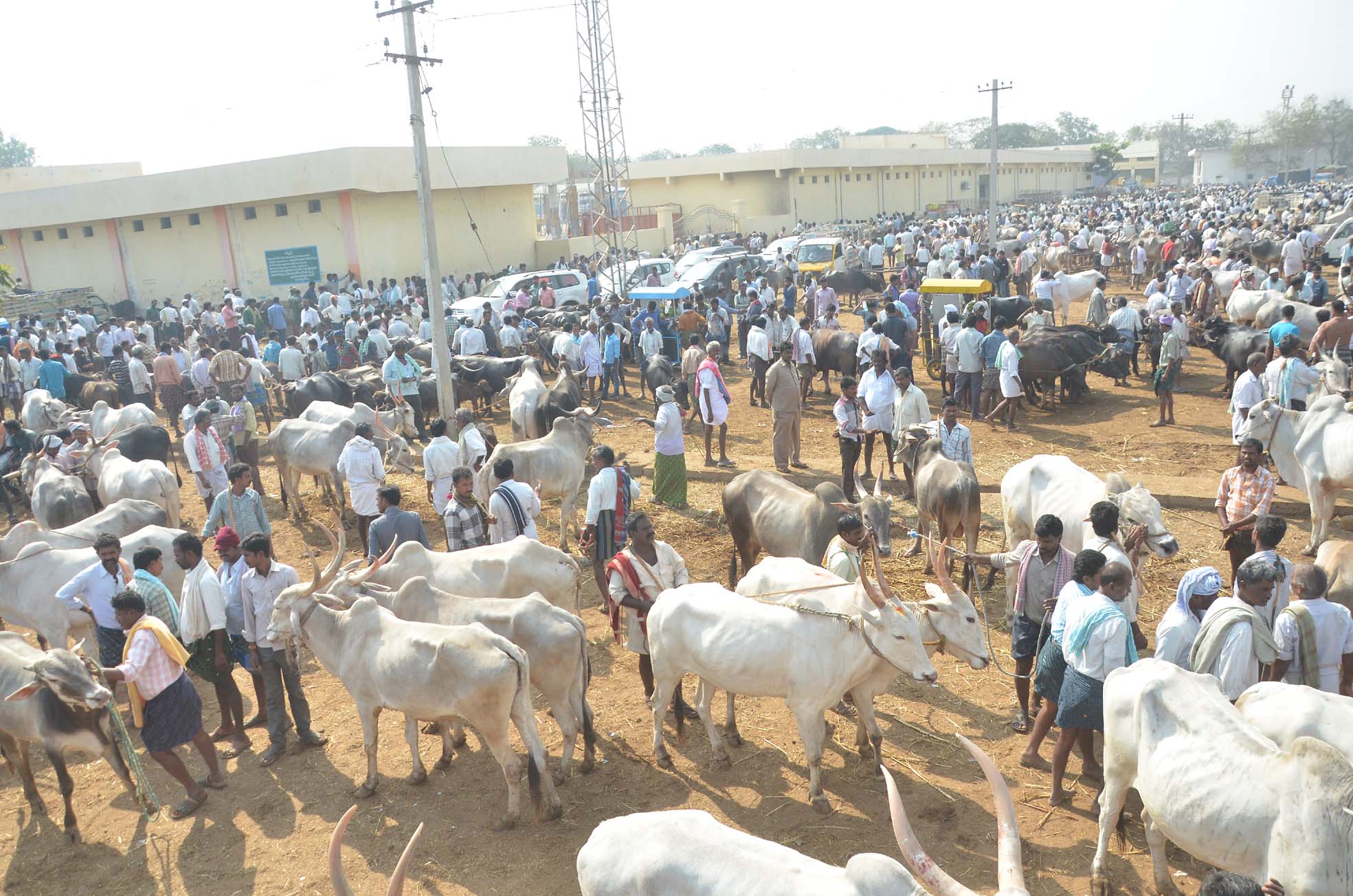
So far, our planet has coped with the many major shocks to its ecosystem despite its large population. This is partly because those in industrialized countries who consumed vast amounts of resources were relatively a minority. Meanwhile the vast majority in the developing world have subsisted on relatively so little. To get an idea of this disparity, think of the difference between the average American family with a house and gas-guzzling car of the 20th century to the average Indian or Chinese family during the same period of time. China, India, and most of the world’s population lived much more economically simpler lives then.
Currently, India has 1.2 billion people and China has 1.3 billion people. These two countries are rapidly shifting from largely agrarian societies to a consumerist industrialized ones. With this newfound wealth comes a demand for the resource-guzzling luxuries that for so long the only people in the highly-industrialized countries in the West enjoyed, including their diets. One of the greatest points of concern here is their increased demand for meat.
In the former agrarian societies of China, India and other developing nations family fare was simple with grains, lentils and vegetables providing most of their required calories and protein. Back then, meat was a relatively rare treat. But with the rise of wealth and the middle class they can now afford high-calorie and high-protein diets. This affects not only global food supply and price, but also the planet’s already far-stretched land and water resources.
It takes 16 calories of grain to produce one calorie of beef. On average it takes 1,800 gallons of water to produce a single pound of beef takes. Of course, livestock, cows especially, create more methane and carbon dioxide which will only worsen climate change.
6. PEAK FOOD
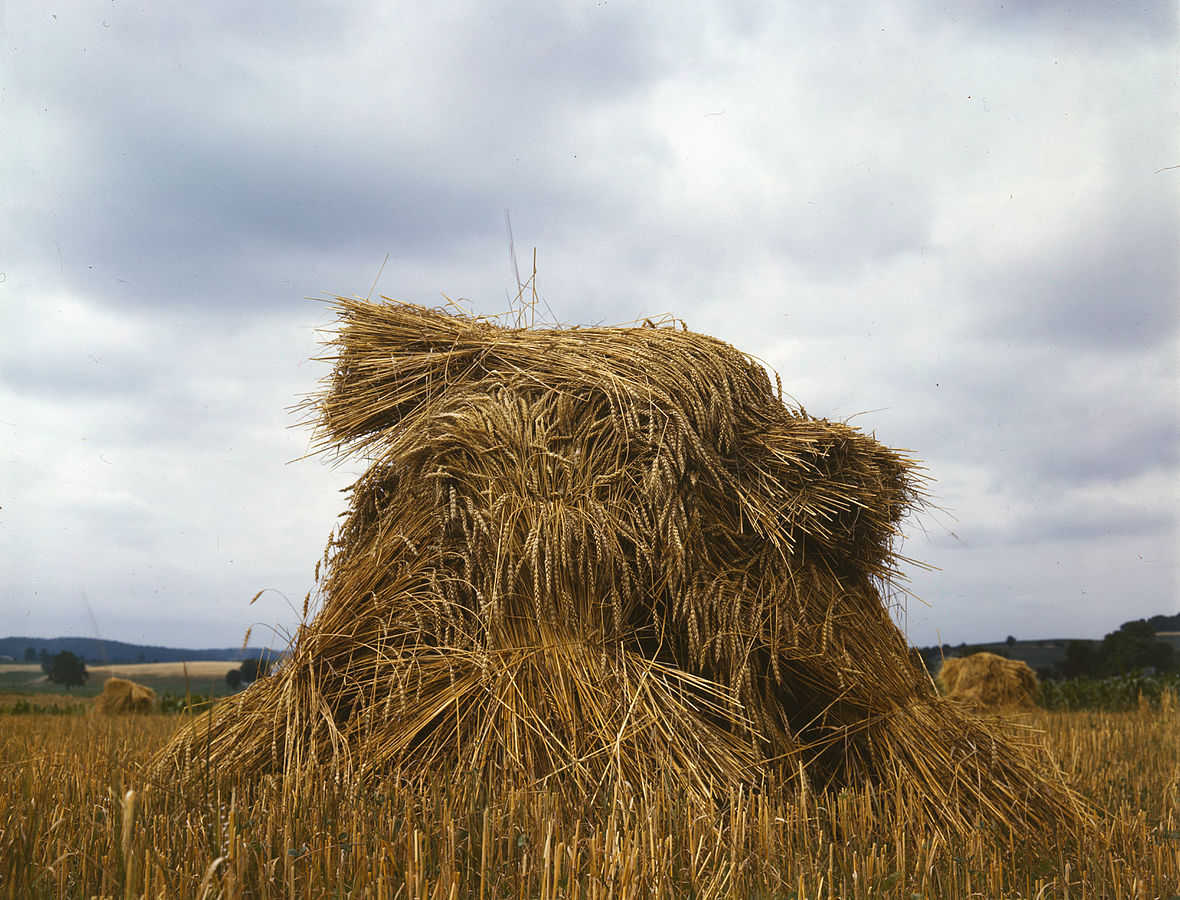
Throughout the rise civilization, food production has rapidly risen as developments in science and technology have pushed the boundaries of agriculture, ushering in an unprecedented time of abundance. These cumulative improvements to our agricultural industries have allowed the human race to balloon to over 7.5 billion people. However, in recent years scientists have observed that the world has entered an era where the production of our main foods is slowing in growth. This phenomenon is called “Peak Food”.
Driven by the high populations growth in developing countries in Africa and Asia, the world population continues to increase. Meanwhile, growth in food production is quickly running out of momentum. Practically all major foodstuff such as corn, rice, and wheat, have already reached reached peak food production. While “Peak Food” refers to the slowing momentum of growth, it shows that we have reached the frightening point where the formerly rapid increases in food production, can now only increase in small increments, or perhaps, start to decline.
Scientists have pegged the years certain foods have peaked, and the results are depressing. Here are some of them. Corn peaked as early as 1985. Rice and wild-caught fish peaked in 1988. Meat peaked in 1996. Poultry peaked in 2006. Meat and milk both peaked in 2004. Soybean peaked in 2009.
Several destructive factors such as climate change, soil degradation and desertification of our croplands are relentlessly creeping in. From peak food we might very soon see global food production rolling downhill.
7. DROUGHT AND DESERTIFICATION
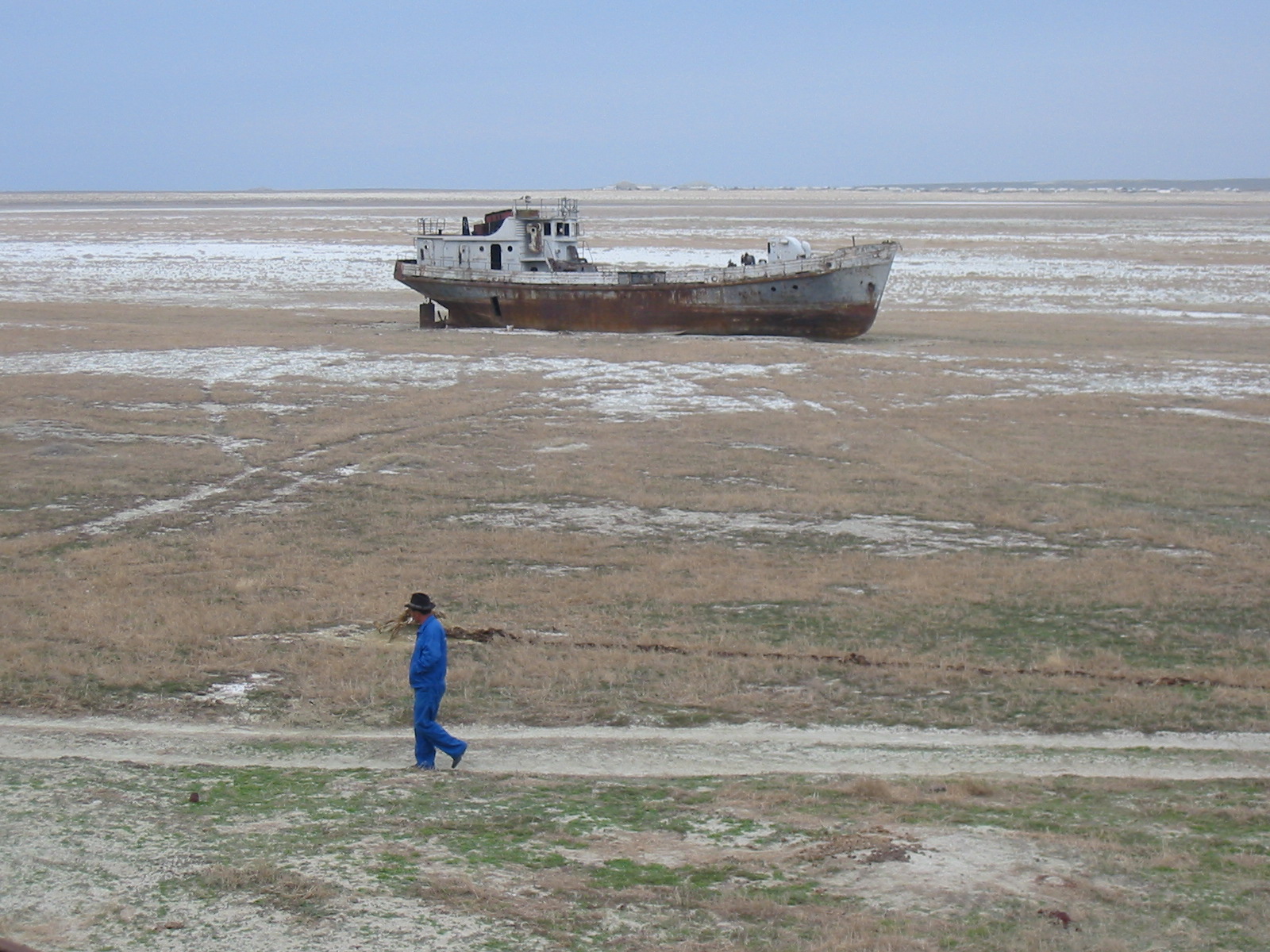
The desert is an unstoppable behemoth gobbling up arable lands meter by meter. While there can be localized successes in slowing down or even reversing desertification, for the most part the desert continues to grow. Unfortunately, much of the lands being affected agricultural lands. And not all of this is due to climate change.
Unsustainable agricultural practices have for decades been depleting ground water resources and destroying top soil at a alarmingly unsustainable rate. It is estimated that 40% of the world’s croplands are already severely degraded. The demand for water never ceases to grow and top soil takes centuries to replace. It may be too little too late for many of these croplands. Much of the world’s croplands may soon turn into dust in the coming decades
A global water crisis is developing. This is bad news knowing that it takes 1,000 tons of water to produce one ton of grain. Urban and rural use is continuing to sucking ground water dry. Everywhere, water tables are falling. This is spurring heavy grain imports in numerous countries such Algeria, Egypt, Iran, Mexico, and Pakistan. It is projected that in the coming years population behemoths such as China and India will start importing grain as water supply issues cripple their agriculture.
Even the US will not be spared. In 2015, NASA predicted the worst droughts in a thousand years or a “Megadrought” will grip that the US Southwest and the central Plains by 2050 if climate change continues unabated. This “Megadrought” is expected to last for decades. This will turn the entire continental into a dust bowl.
8. WE MAY BE FACING HISTORY’S FIRST TRUE GLOBAL FAMINE
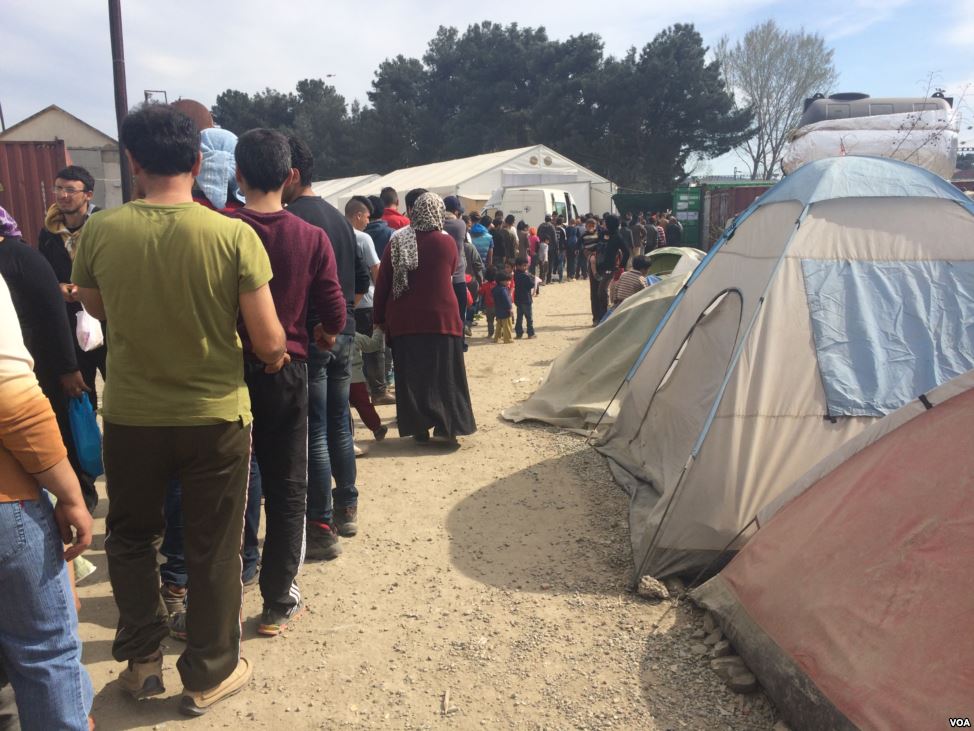
Famine has struck in certain countries and regions throughout all of human history. And our ancestors, the ever-resilient humans, have always found a way to bounce back. Throughout all human history we have dealt with famines either with aid from the outside or simply moving away to more abundant parts of the world. However, for the first time in modern history, the threat of a global famine looms ahead. Unlike in the famines and food shortages that line the pages of our history books, when a global famine strikes, there may be nowhere to turn for help and no place to run.
For a moment imagine the scenarios. What do you think will happen if in developing countries the average family can no longer afford food? Do some of these countries have nuclear and biological arms? What if the United States and other major food exporting countries will no longer have enough to export? What do you think will happen once countries like China, India, Egypt and Pakistan start looking around for the billions of tonnes of grain they need to feed their population?
Are you ready? Climate change, unequal distribution of food, collapse of global fisheries, drought, desertification, decline in agricultural production, the global water crisis – these goblins are at the gates of human civilization. It just might be a global famine that these threats bring that will bring the house down, and end the world as we know it.
A man with a hungry family is the root of much of the danger in the world. Count on those words.
Further reading:
There perhaps will be no one single cause of the collapse of civilization. Global famine, the third world war and economic collapse are the some of the most-well know reasons. Perhaps one of the most ignored possible cause of the collapse of human civilization is the end of topsoil. The End of Topsoil – Our Planet’s Most Undervalued Non-Renewable Resource
If global famine is impending, there are ways though to make your own food supply more secure. The common way many survivalist take aiming to be self-sufficient in food production, mainly by growing crops. However, don’t rely on growing the vegtables you can buy in your supermarket. Grow the right kind of crops: The Heirloom Encyclopedia for the Prepper and Survivalist
Photocredits:
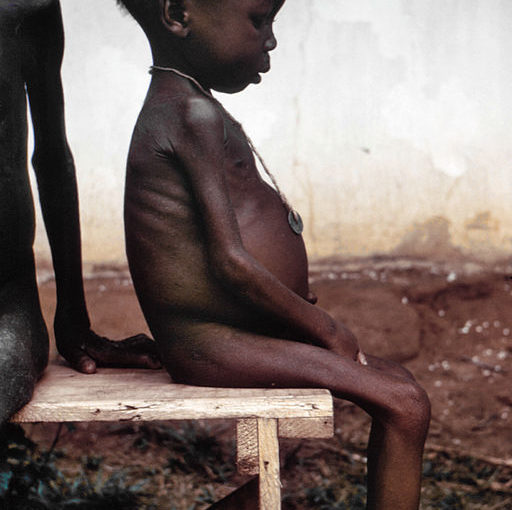
About Featured Image: Girl in Famine-stricken Nigeria in the 1960s. This girl is affected by kwashiorkor a disease brought about by extreme dietary deprivation. Image is in Public Domain
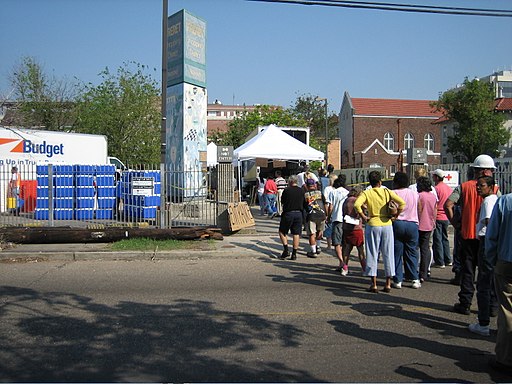
Red Cross Line: by Infrogmation [GFDL, CC BY-SA 2.0, CC BY 2.5 or CC BY-SA 3.0], via Wikimedia Commons
Starving Man Raising His Hand: By Feed My Starving Children (FMSC) [CC BY 2.0], via Wikimedia Commons
Insurgents that target American and Coalition Forces: By بدر الإسلام, CC BY-SA 2.5, Link
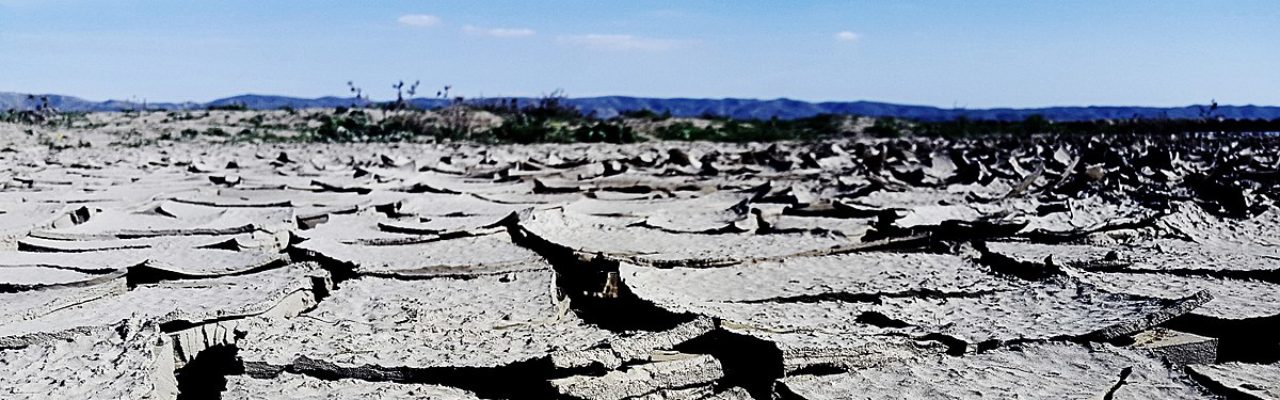
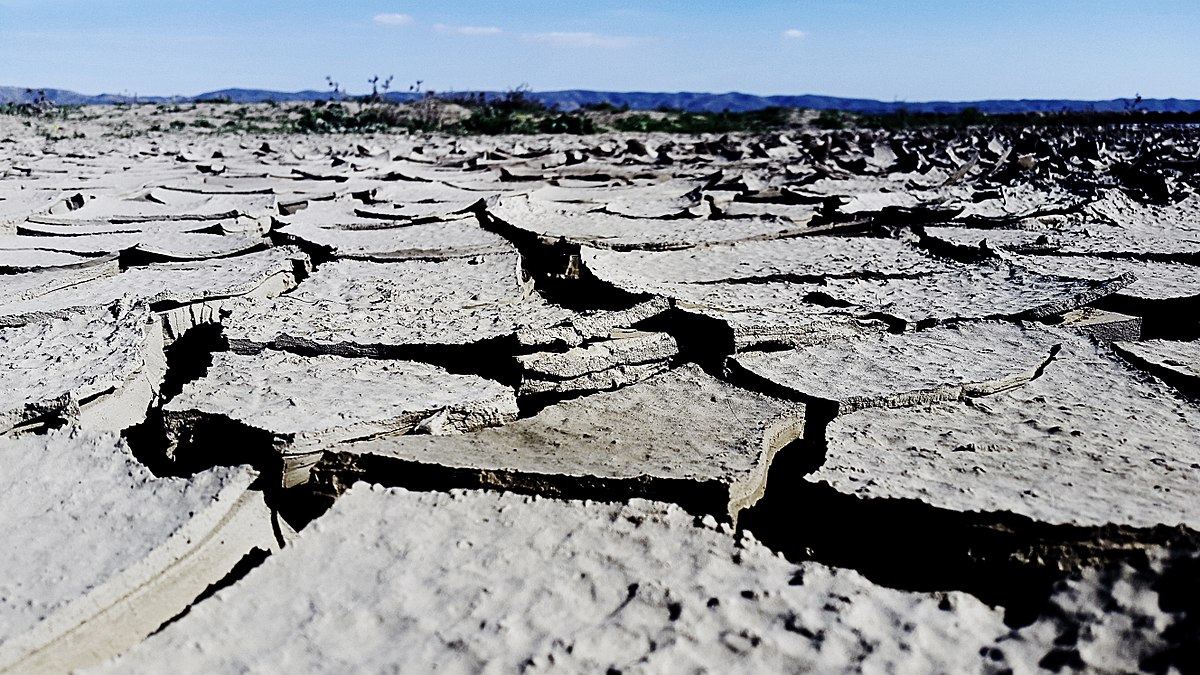
Cracked Earth in Algeria: By Hydrosami, CC BY-SA 4.0, Link
Cattle Farm during Drought in India 2017: By Vinay kumar malyam upadyaya [CC BY-SA 4.0], via Wikimedia Commons
Wheat Stack: Public Domain
Drying Aral Sea: Public Domain
Families in line for International Food Aid in Greece, 2016: Public Domain
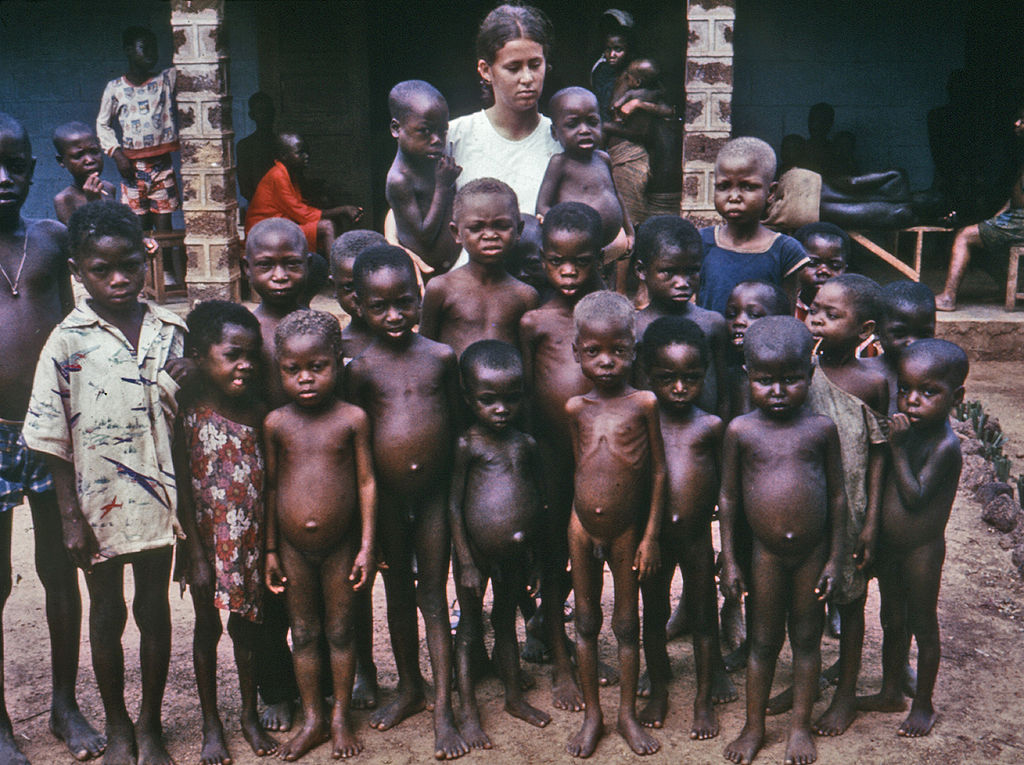
Children in Famine-Stricken Nigeria 1960’s: Public Domain

.jpg)
